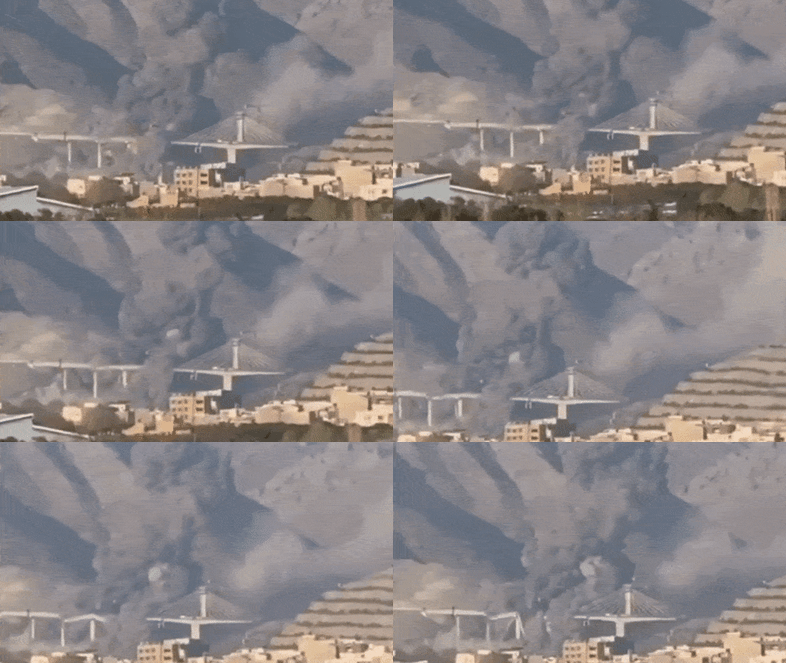
The headlines are screaming about a "global energy collapse" because Iran traded fire with Gulf refineries and Washington started eyeballing Iranian infrastructure. It’s a tired script. Every time a drone buzzes a pipeline or a missile hits a storage tank, the "experts" trot out the same 1970s-era fear-mongering about $200 oil and the end of Western civilization. They are wrong. They are stuck in a world that hasn't existed for twenty years.
The reality is that hitting a refinery in the Gulf today is a tactical tragedy, but a strategic footnote. If you’re clutching your pearls because of a few burning towers in the desert, you aren't paying attention to how the global energy grid actually functions in the 2020s. We aren't dealing with a fragile, monolithic supply chain anymore. We are dealing with a redundant, over-engineered, and incredibly resilient global machine that eats volatility for breakfast. Discover more on a connected topic: this related article.
The Myth of the Bottleneck
The standard narrative claims the Strait of Hormuz is the "jugular" of the world economy. It’s a convenient metaphor for cable news, but it ignores the massive bypass plumbing built over the last decade. Saudi Arabia isn't stupid. They’ve spent billions on the East-West Pipeline (Petroline), which can shove five million barrels a day toward the Red Sea, completely bypassing the "choke point" everyone is obsessed with. The UAE has the Abu Dhabi Crude Oil Pipeline ending in Fujairah, outside the Gulf entirely.
When Iran hits a refinery, the market reacts to the image of the fire, not the actual loss of capacity. We are currently in a period of significant global refining overcapacity. China has been overbuilding refineries for years, and they are more than happy to pick up the slack—and the market share—if a Gulf facility goes offline for six months. The "crisis" isn't a lack of fuel; it’s a temporary logistical reshuffle that the big players have already priced into their risk models. Further journalism by Reuters explores similar perspectives on this issue.
Why Bridges and Power Plants are Bad Targets
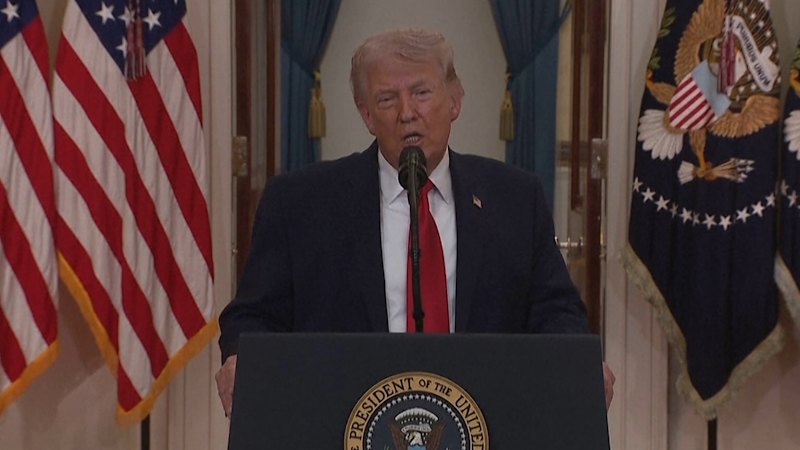
The rhetoric coming out of the U.S. about hitting Iranian bridges and power plants is equally outdated. This "Stone Age" strategy assumes that a modern nation-state collapses when you turn off the lights. History says otherwise. Bombing infrastructure often hardens domestic resolve and forces an economy into a more resilient, black-market-driven survival mode.
From a cold, hard business perspective, destroying a bridge is a waste of a million-dollar missile. If the goal is to stop Iranian influence, you don't hit the concrete; you hit the digital ledger. In a world where Iran uses shadow fleets and crypto-exchanges to bypass sanctions, physical infrastructure is the least of their worries. The U.S. threat is a performative gesture meant for domestic voters who want to see "strength," but it does nothing to alter the actual flow of power or oil in the region.
The Crude Reality of American Production
Here is the data point the doomsayers hate: The United States is the world’s largest oil producer. Period.
During the 1973 oil embargo, the U.S. was at the mercy of the Middle East. Today, the Permian Basin produces more oil than most OPEC nations. We are exporting millions of barrels a day. The "Global South" and Europe are the ones who should be worried about Gulf stability, not the American consumer.
Even if the Gulf went dark tomorrow, the U.S. has the Strategic Petroleum Reserve (SPR)—which, despite recent drawdowns, still holds enough to blunt any immediate price spike—and a private sector that can ramp up production the moment the price stays above $80. The "energy independence" dream isn't a dream anymore; it’s a structural reality that has decoupled American prosperity from Middle Eastern stability.
Why Oil Prices Won't Stay Up
Markets love a good scare, but they love math more. Whenever there is a kinetic conflict in the Gulf, speculators drive the price up. Then, the realization hits: the world is currently facing a massive supply glut.
OPEC+ is struggling to keep prices up by cutting production because non-OPEC countries (U.S., Brazil, Guyana, Canada) keep flooding the market. If a conflict actually shuts down Iranian or Gulf supply, the first thing that happens is OPEC+ releases their sidelined millions of barrels to keep their market share from being stolen by Texas. The "war premium" on a barrel of oil is now a short-term trade, not a long-term trend.
If you’re betting on $150 oil because of a few strikes on refineries, you’re going to lose your shirt. The world has too much oil, too many ways to move it, and too many people willing to sell it the moment the price ticks up.
The Hidden Cost of "Winning"
The danger isn't the destruction of a bridge or a refinery. The danger is the acceleration of the "Shadow Economy." Every time the West uses its control over the global financial system or its military might to "punish" an energy producer, it pushes China, India, and Russia closer together.
They are building a parallel financial system that doesn't use the dollar and doesn't care about U.S. threats. By making the Gulf a theater of war, we aren't protecting the global economy; we are proving to the rest of the world that they need an economy that doesn't rely on us. That is the real threat. Not a spike in gas prices at a station in Ohio, but the slow, steady erosion of the dollar’s role as the world’s energy currency.
Stop Asking if Oil Will Spike
The question "Will oil go to $200?" is the wrong question. It’s a question based on a 1973 mindset.
The right question is: "How quickly will the market route around the damage?"
The answer is: faster than you think. In 2019, the Abqaiq–Khurais attack in Saudi Arabia took out 5% of global oil supply in a single morning. It was the "big one" everyone feared. The price spiked, and then... it plummeted. Within weeks, production was back, and the world had moved on.
Modern refineries are modular. Global shipping is flexible. And the U.S. is a net exporter. The era of the "Oil Weapon" is over. It’s been replaced by the "Supply Chain Hegemony," and in that game, a few burning refineries are just a reason for the rest of the world to ramp up production and take the profit.
Stop watching the explosions. Start watching the tankers. They aren't stopping, and neither is the global economy.
If you want to worry about something, worry about the fact that we are fighting a 21st-century war with a 20th-century understanding of what actually makes a nation powerful. It isn't the ability to blow up a bridge. It’s the ability to make that bridge irrelevant.
The Gulf is on fire? Fine. The world has plenty of fire extinguishers, and most of them are made in the USA.