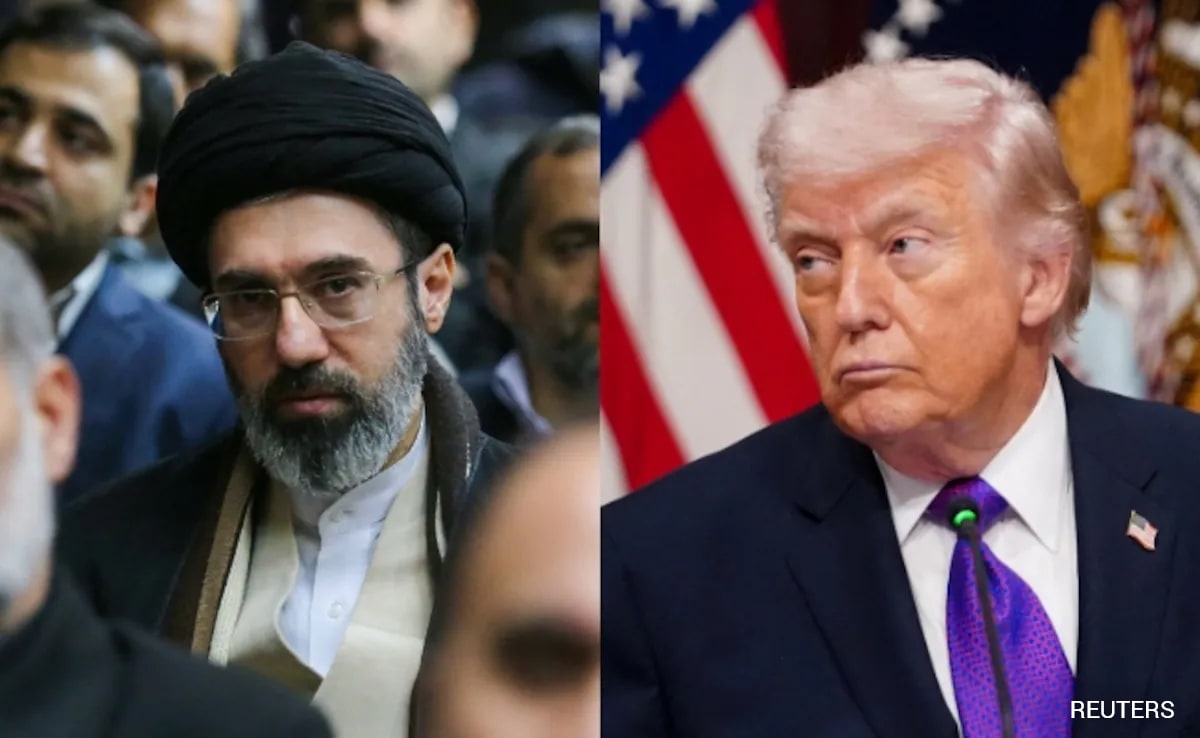
The marathon 21-hour negotiation in Islamabad just ended the way most people feared it would: with no deal, a lot of finger-pointing, and a world left wondering if the brief ceasefire will actually hold. Vice President JD Vance is officially heading back to Washington, and the Iranian delegation is calling the whole thing off, citing "unreasonable" demands from the American side.
If you're looking for a simple reason why these talks collapsed, it's this: the gap between what the Trump administration wants—total nuclear disarmament and control of the Strait of Hormuz—and what Tehran is willing to give—limited enrichment for a lifting of soul-crushing sanctions—has become a canyon.
The 21 Hour Wall in Pakistan
After 21 hours of continuous, face-to-face negotiations, JD Vance emerged Sunday morning to tell the press that the US simply couldn't get Iran to accept its terms. He wasn't subtle about it. Vance claimed the US was "flexible" and "accommodating," but the bottom line for Washington remains an "affirmative commitment" that Iran won't just pause its nuclear program, but scrap the tools that allow for rapid weaponization.
Tehran isn't buying that narrative. Through state-run media and Telegram channels, Iranian officials have blasted the American delegation for making "excessive" and "unlawful" requests. According to them, Iran brought several initiatives to the table, only to be met with a "best and final offer" that looked more like a demand for surrender than a diplomatic compromise.
What's actually at stake here
It isn't just about centrifuges and uranium enrichment anymore. This is a regional war that has already killed thousands and shaken global energy markets. To understand why the talks failed, you have to look at the three biggest sticking points that kept both sides from signing on the dotted line.
- The Nuclear Red Line: Washington wants a total ban on the tools for enrichment. Iran views this as a violation of its sovereign rights.
- The Strait of Hormuz: Since the ceasefire began, Iran has refused to relinquish its military grip on this vital oil chokepoint. The US, meanwhile, is already clearing mines and moving destroyers through the area to prove a point.
- Frozen Assets: Iran is demanding the unfreezing of billions of dollars in assets before they make any permanent concessions. For the Trump administration, those billions are the only leverage they have left.
The Trump Strategy vs Iranian Reality
President Trump has been vocal on social media throughout the process, stating that it "makes no difference" to him whether a deal is reached because, from his perspective, "America wins" either way. This kind of rhetoric plays well at home, but in a negotiation room in Islamabad, it makes the Iranian side dig in their heels.
Iranian Foreign Minister Abbas Araghchi has previously said he’s open to discussing the nuclear issue, but the internal pressure in Iran is immense. Following the joint US-Israeli strikes earlier this year and the death of Supreme Leader Khamenei, the new leadership is desperate to show they haven't been bullied into submission. They're trying to protect "national interests," which in their view, means keeping enough of a nuclear program to act as a deterrent.
Why the Ball is in Washington's Court
Iranian state media is currently pushing the line that "the ball is in America's court." They want the world to believe that Iran is in no hurry to negotiate. It's a classic power play. By framing the US demands as "unreasonable," they’re setting the stage for what comes next: a potential return to hostilities if the ceasefire expires without a permanent agreement.
Honestly, it’s hard to see how either side moves from here. The US is demanding an end to the very things Iran considers its only insurance policy. Meanwhile, Iran is asking for reparations and sanction relief that the current US administration isn't going to give without a massive "win" to show for it.
What happens next
The "best and final offer" from the US is currently sitting on a table in Tehran. If the Iranians don't take it, the fragile ceasefire that’s been holding the region together for two weeks is in serious jeopardy.
Expect to see an increase in naval tension in the Strait of Hormuz over the next 48 hours. If the diplomatic path is truly closed, both sides will likely return to the military posturing that defined the start of 2026. Keep an eye on the movement of US carrier groups—they'll tell you more about the future of this conflict than any press release from Islamabad ever could.