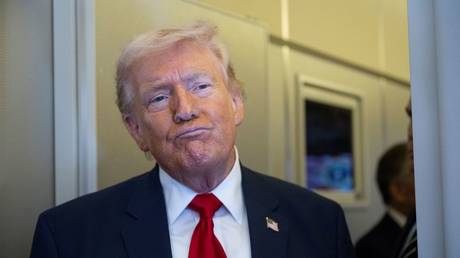
Donald Trump just dropped a rhetorical bomb that’s rippling through the Middle East faster than a drone strike. During a recent Fox News interview, the President confirmed reports that the CIA briefed him on a rather explosive detail: Iran’s new Supreme Leader, Mojtaba Khamenei, is allegedly gay. When asked point-blank if the agency told him "Ayatollah Jr." is gay, Trump didn’t hesitate. "They did say that," he replied, adding that "a lot of people are saying that."
This isn't just another Trumpian soundbite or a bit of schoolyard taunting. We’re talking about a country where homosexuality isn't just a social taboo—it’s a capital offense often punished by death. By spotlighting this intelligence, Trump is essentially pouring gasoline on a succession crisis that was already smoldering after the killing of Ali Khamenei in February 2026.
The CIA briefing and the tutor scandal
The specifics coming out of Washington are surprisingly granular for a standard intelligence leak. According to reports first surfaced by the New York Post and later acknowledged by the President, the CIA’s assessment suggests Mojtaba Khamenei has been involved in a long-term sexual relationship with his male childhood tutor.
This wasn't news to the late Ali Khamenei. Intelligence insiders suggest the former leader was terrified of this information going public. He reportedly feared his son’s private life made him "unsuitable" to lead the Islamic Republic. Think about the irony there. The man groomed for decades to lead a hardline theocracy may have been living a life that his own government’s laws categorize as a crime against God.
Trump didn't just stop at the CIA's findings. He used the interview to point out the blatant hypocrisy of Western protest groups. He mocked "Gays for Palestine," noting that the regimes these groups often defend literally throw people off buildings for their sexuality. It’s a blunt, aggressive rhetorical style, but it hits a nerve because it highlights a factual reality of life under Sharia-based laws.
Why this is a nightmare for Tehran
Succession in Iran is usually a choreographed affair handled by the Assembly of Experts and the Revolutionary Guards (IRGC). But Mojtaba's rise was already shaky. He took the reigns on March 8, 2026, amid the "Twelve-Day War" and constant bombardment from U.S. and Israeli forces. Now, he has to deal with a legitimacy crisis that strikes at the heart of his religious authority.
- The Law of the Land: Under Iran’s Islamic Penal Code, same-sex acts can lead to execution. If the leader of the faithful is accused of the very "sins" he is supposed to purge, the theological foundation of the state cracks.
- The IRGC Factor: The Revolutionary Guards pushed for Mojtaba because they wanted stability. If he becomes a laughingstock or a liability, their support might evaporate.
- Public Perception: Trump noted that this puts Mojtaba off to a "bad start" in Iran. He’s right. In a country currently being pummeled by foreign strikes and internal dissent, a Supreme Leader with a "secret" like this is a weak Supreme Leader.
A strategy of personal delegitimization
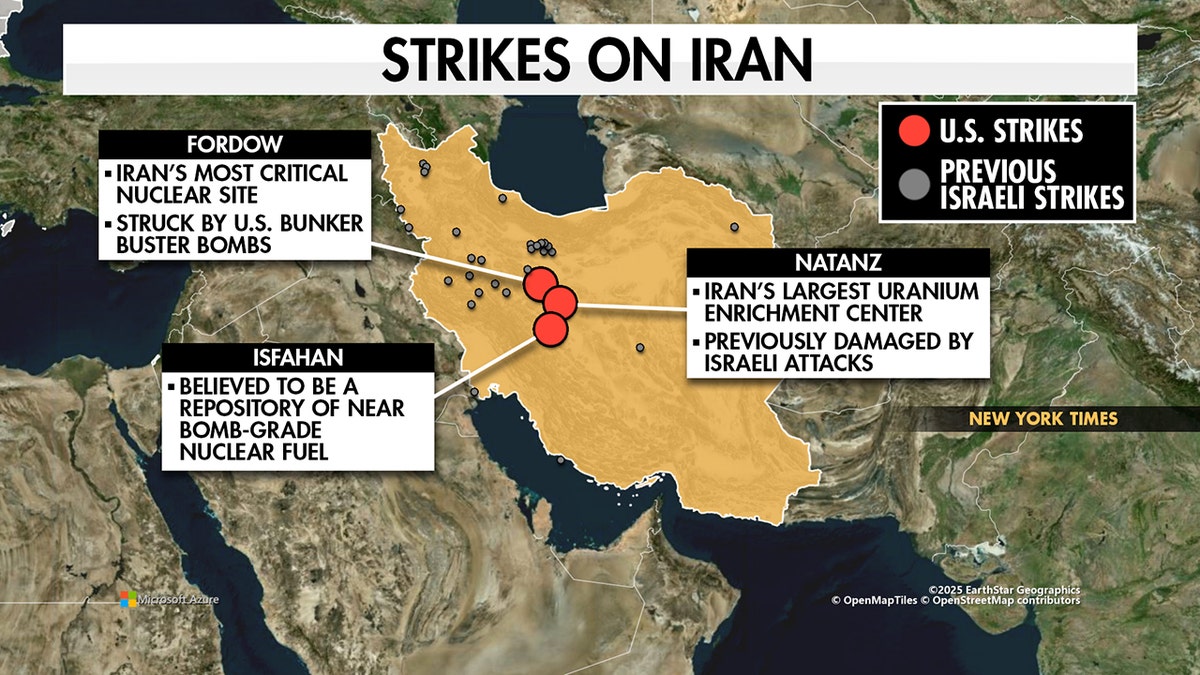
Trump’s approach here fits a long-term pattern of "maximum pressure," but with a personal twist. By validating these rumors, he’s practicing a form of psychological warfare. He isn't just attacking Iran’s nuclear sites or its navy; he’s attacking the person at the top.
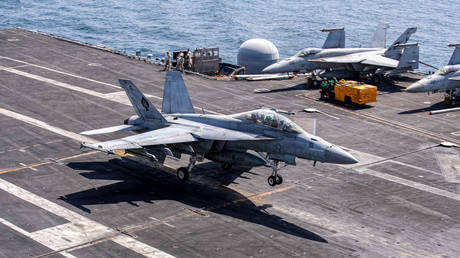
It’s an incredibly effective way to distract the Iranian leadership. Instead of focusing entirely on the U.S. naval buildup or the destruction of their missile launch sites, Tehran’s inner circle now has to manage a massive internal PR disaster. They have to decide whether to ignore the claims, which allows them to fester, or deny them, which only brings more attention to the topic.
The impotence files and the UK visits
This isn't the first time Mojtaba’s personal life has been under the microscope. Wikileaks cables from as far back as 2008 mentioned his frequent trips to London. Those files suggested he was seeking treatment at Wellington and Cromwell Hospitals for "impotency problems."
The U.S. State Department noted back then that he married "relatively late," which fueled rumors in Tehran’s elite circles for years. When you combine those old medical records with the new CIA assessment about his childhood tutor, a picture starts to emerge that the Iranian public was never meant to see.
What happens when the leader loses face
In a theocracy, the leader’s "holiness" is his armor. Once that’s gone, he’s just another guy in a robe. Trump’s comments have stripped away that armor at the worst possible time for the Iranian regime. We’re seeing a President who is perfectly comfortable using intelligence as a weapon of public embarrassment.
If you're watching the markets or the geopolitical shifts, don't dismiss this as gossip. This is a targeted strike on the stability of the Iranian government. It forces the clerical establishment to defend a leader who represents the very things they claim to hate.
Keep an eye on the IRGC’s official statements over the next 48 hours. If they stay silent, the rumors will grow. If they lash out, they confirm the "bad start" Trump mentioned. You should also watch for any movement in the Iranian Assembly of Experts—there are plenty of other clerics who would love to use this scandal to push Mojtaba aside and claim the top spot for themselves.