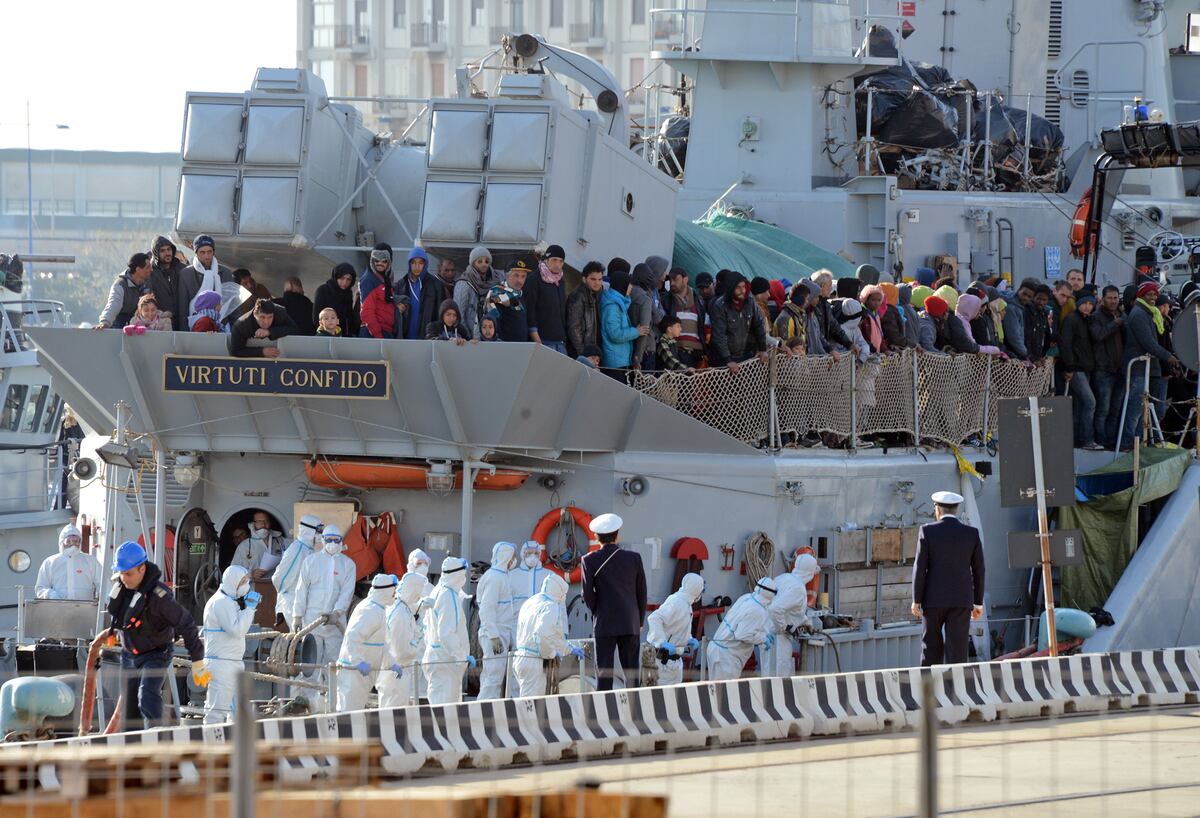
The Andaman Sea has become a graveyard for the desperate. Recent reports indicate another vessel carrying Rohingya and Bangladeshi nationals has sunk near the Andaman and Nicobar Islands. It's a recurring nightmare. People looking for a life away from persecution or crushing poverty end up at the mercy of the tide. This isn't just a "maritime incident" or a random accident at sea. It's a systemic failure of regional security and humanitarian intervention that we keep seeing year after year.
When a boat like this goes down, the initial scramble for information is chaotic. We hear about "illegal" crossings, but that word masks the human reality. Most of these travelers are fleeing the world’s largest refugee camp in Cox’s Bazar, Bangladesh. They're heading for Malaysia. They want work. They want safety. Instead, they find themselves on overcrowded, unseaworthy wooden trawlers that aren't built for the open ocean. Don't forget to check out our previous coverage on this related article.
Why the Andaman Route is a Death Trap
The geography of the Andaman Sea makes it a perfect storm for disaster. It's vast. It's remote. For boats departing from the coast of Bangladesh or Myanmar, the journey to Malaysia covers over 1,500 kilometers of unpredictable water. These vessels often lack basic navigation equipment or enough fuel to handle engine failure. When a motor dies in the middle of the Bay of Bengal, the boat becomes a floating coffin.
The Andaman and Nicobar Islands, an Indian archipelago, often serve as the accidental frontline for these tragedies. Indian Coast Guard units frequently find themselves as the first responders, but by the time a distress signal is picked up—if one is sent at all—it's often too late. We aren't talking about modern lifeboats. We're talking about hundred-plus people crammed into spaces meant for twenty, with almost no life jackets. If you want more about the context of this, The Washington Post provides an in-depth breakdown.
The Human Cost of Neglect
Think about the desperation required to step onto a boat you know might sink. It's not a choice made lightly. Rohingya refugees have lived in limbo for years. In the camps of Bangladesh, rations are being cut. Violence is rising. The "push factors" are so intense that the risk of drowning feels smaller than the certainty of suffering if they stay.
In this latest sinking, the numbers are still being tallied, but the pattern is familiar. Women and children make up a significant portion of the passengers. They're the most vulnerable when a ship begins to take on water. If the boat capsizes at night, the chances of survival are nearly zero. Rescue operations are hindered by the sheer distance from the mainland and the lack of real-time tracking for these "ghost ships."
The Failure of Regional Cooperation
Southeast Asian nations have a history of passing the buck. It’s called "human ping-pong." One navy pushes a boat away from its territorial waters, hoping it becomes another country's problem. This delay is lethal. International maritime law is clear: ships have a duty to assist those in distress. Yet, political concerns about "pull factors" often override basic human decency.
ASEAN (Association of Southeast Asian Nations) has held countless summits. They've signed declarations. But on the water, the reality hasn't changed. The Bali Process, meant to tackle people smuggling, hasn't stopped the boats from leaving. It hasn't stopped the smugglers from profit-taking. Traffickers get paid upfront. They don't care if the boat reaches the shore.
Security vs. Humanity
India’s role in the Andaman Sea is complex. The islands are a high-security zone, vital for monitoring maritime traffic in the Malacca Strait. When a refugee boat enters these waters, it's treated as a security breach first and a humanitarian crisis second. This delay in shifting mindsets costs lives. You can't secure a border against people who are literally drowning in front of you.
What Needs to Happen Now
We can't keep reacting to these sinkings after they happen. The cycle is predictable. The monsoon ends, the seas calm down, and the boats start moving.
- Active Search and Rescue (SAR): Regional navies need to coordinate active patrols during the "sailing season." Waiting for a distress call that will never come from a flip-phone is a death sentence.
- Targeting the Kingpins: The focus is always on the passengers. We need to go after the financiers in Dhaka, Bangkok, and Kuala Lumpur who own these boats. They're the ones getting rich off this misery.
- Legal Pathways: If people have a way to move safely, they won't pay a smuggler thousands of dollars to die at sea. Malaysia and other destination countries need to figure out a labor migration system that works.
This latest sinking in the Andamans is a reminder that the status quo is blood-soaked. Every time a boat disappears, we lose more than just lives; we lose a bit of our collective humanity.
Stop looking at these as "illegal boat people." Start looking at them as victims of a broken global system. Support organizations like the UNHCR or local NGOs in the Andaman Islands that provide immediate relief to survivors. Pressure your representatives to demand that maritime safety protocols actually apply to everyone, regardless of their passport. If you see a report like this and just scroll past, you're part of the silence that lets it happen again next month.