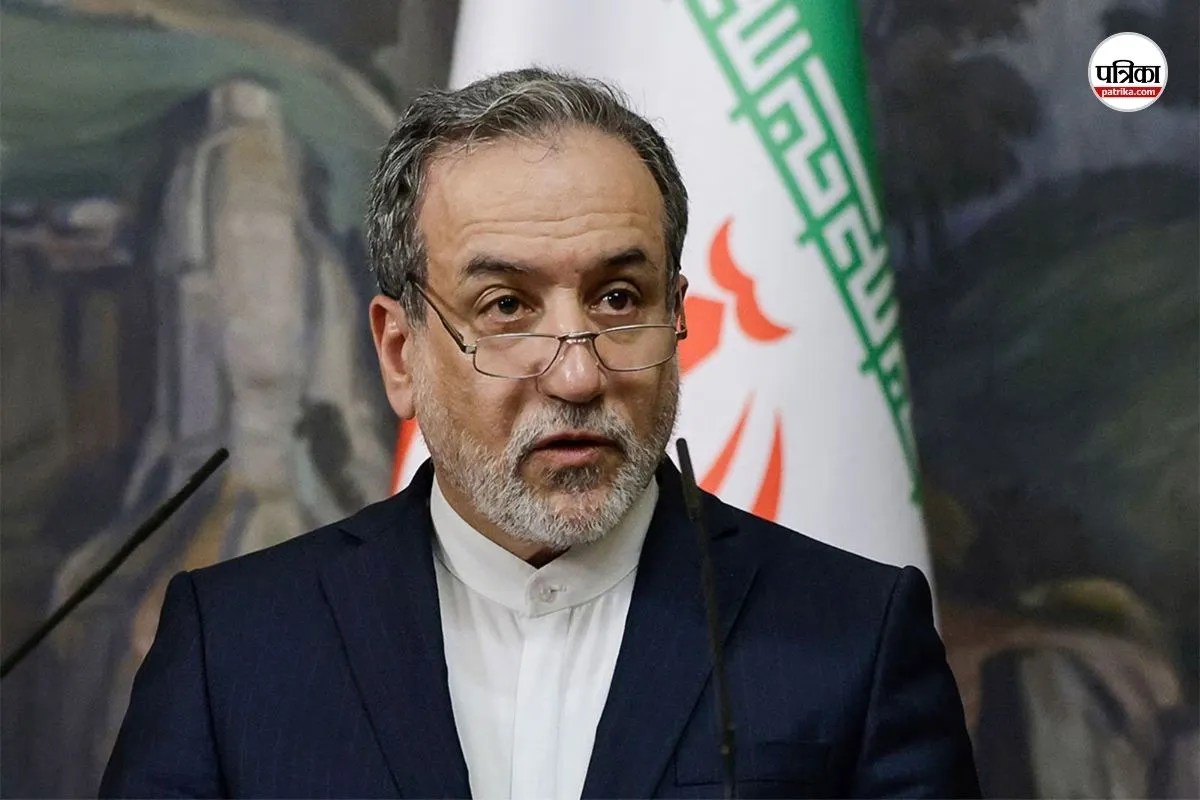
The rhetoric coming out of Tehran has shifted from cautious defiance to a calculated, aggressive posture that suggests Iran no longer fears a direct military confrontation with the United States. While the world watches the diplomatic ping-pong over nuclear enrichment and regional proxies, the fundamental reality on the ground is that the Iranian military leadership has concluded that Washington lacks the domestic political will for a sustained conflict. This isn't just about bold words or chest-thumping. It is a strategic pivot based on the realization that the traditional American "stick" has lost its sting.
Iran’s recent warnings that they will not back down if the U.S. chooses war are not aimed at the Pentagon; they are aimed at the American voter and the global oil market. By signaling a readiness for "total war," Tehran is betting that the mere prospect of $150-a-barrel oil and another "forever war" will force the U.S. to the negotiating table on Iranian terms. Meanwhile, you can read other events here: The Brutal Truth About Peter Magyar and the End of the Orban Era.
The Calculus of Asymmetric Survival
The Iranian military strategy has never been about winning a conventional dogfight or a carrier battle. They know they can’t. Instead, they have spent four decades perfecting a doctrine of asymmetric attrition. This involves using low-cost drones, fast-attack naval craft, and a sophisticated ballistic missile program to make the cost of an American victory too high for any president to pay.
When Iranian officials state they are ready for war, they are referring to their ability to turn the Persian Gulf into a graveyard for global trade within forty-eight hours. They have spent years tunneling into mountains and sinking missile batteries deep underground. These "missile cities" are designed to survive an initial air campaign, ensuring that Iran can strike back long after their formal command structures have been hit. To see the full picture, we recommend the recent report by USA Today.
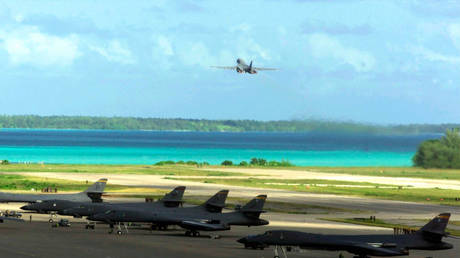
The U.S. military remains the most powerful force in history, but power is meaningless if it cannot be applied. Washington is currently stretched thin, managing a proxy war in Eastern Europe and a simmering standoff in the South China Sea. Tehran sees this overextension as their greatest security asset. They believe the U.S. is "war-weary," a term often used in Iranian state media to describe an American public that is tired of Middle Eastern entanglements.
The Drone Revolution and the End of Air Superiority
For decades, the U.S. relied on total air superiority. That era is over. The rise of cheap, effective loitering munitions—often referred to as "suicide drones"—has changed the math of regional conflict. Iran has become a global leader in this specific technology, exporting it to various theaters of war and proving that a $20,000 drone can neutralize a multi-million dollar defense system if deployed in sufficient numbers.
This technological shift has emboldened the Islamic Revolutionary Guard Corps (IRGC). They no longer feel like the underdog waiting for a blow to land. Instead, they see themselves as the masters of a new kind of warfare where the expensive hardware of the West is a liability rather than an advantage.
The Strait of Hormuz Trap
A significant portion of the world's oil passes through the Strait of Hormuz. Iran’s primary leverage is the ability to close this choke point. While the U.S. Navy maintains a presence in the region, the sheer volume of Iranian mines and shore-based anti-ship missiles makes "keeping the lanes open" a logistical nightmare.
- Mine Warfare: Iran possesses thousands of sophisticated bottom-dwelling mines that are notoriously difficult to detect.
- Swarm Tactics: Hundreds of small, armed speedboats can overwhelm the defensive capabilities of a modern destroyer through sheer numbers.
- Proxy Pressure: It isn't just about Iran's borders. Their influence reaches the Red Sea and the Mediterranean, allowing them to ignite multiple fronts simultaneously.
The Diplomatic Dead End
The current state of negotiations—or the lack thereof—has created a vacuum. Without a functional diplomatic "off-ramp," both sides are sliding toward a kinetic encounter that neither may truly want, but both feel they cannot avoid without losing face. The "Maximum Pressure" campaign of the previous decade didn't result in a collapse of the Iranian government; instead, it hardened their resolve and pushed their nuclear program closer to the finish line than ever before.
Washington is stuck in a cycle of sanctions that have reached the point of diminishing returns. There are few sectors left to sanction, and Iran has built a "resistance economy" that, while painful for its citizens, is functional enough to keep the military-industrial complex running. They have found willing partners in Beijing and Moscow, creating a bloc that is increasingly insulated from Western financial pressure.
Domestic Pressure vs Foreign Policy
Inside Iran, the government faces significant internal dissent, economic stagnation, and a restless youth population. Historically, nothing unites a fractured Iranian public like the threat of foreign invasion. The leadership in Tehran knows this. By projecting strength and "daring" the U.S. to act, they are attempting to channel domestic frustrations toward an external enemy.
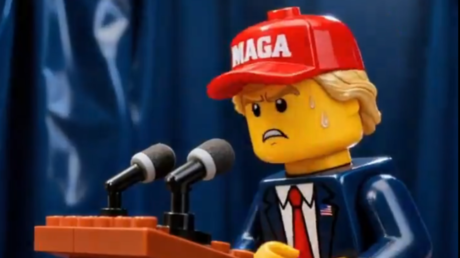
Conversely, the U.S. administration faces an election cycle where a spike in gas prices or a surge in American casualties would be politically fatal. Iran is playing a high-stakes game of chicken, betting that the U.S. will blink first because the American political system is more sensitive to short-term shocks than the autocratic regime in Tehran.
The Intelligence Gap
One of the most dangerous aspects of the current tension is the potential for miscalculation. History is littered with wars that started because one side misread the other's "red lines." The U.S. intelligence community has struggled to penetrate the inner circle of the IRGC, and Tehran often views American bureaucratic theater as a definitive sign of intent.
If Iran believes the U.S. is bluffing and pushes too far—perhaps by striking a high-value asset or crossing a specific nuclear threshold—Washington may be forced to respond with force simply to maintain the credibility of its global alliances. Once the first shot is fired, the "escalation ladder" becomes incredibly difficult to climb down.
Why the Old Rules No Longer Apply
In the past, the U.S. could rely on a coalition of regional allies to provide the bulk of the ground force and logistical support. Today, the regional map looks different. Many Gulf states are hedging their bets, engaging in their own diplomacy with Tehran to avoid being the primary targets in a regional conflagration. They have seen that American protection is not the absolute guarantee it once was.
The Nuclear Shadow
Everything eventually circles back to the nuclear issue. Iran has utilized the threat of war to buy time for its centrifuges. Every month of stalemate is another month of enrichment. They are using the "war" rhetoric as a shield, suggesting that any attempt to strike their nuclear facilities would result in a regional firestorm.
This isn't just about a bomb. It's about sovereignty and the permanent removal of the threat of regime change. For Tehran, the nuclear program is the ultimate insurance policy. They look at Libya and Iraq—nations that gave up their WMD programs and saw their leaders deposed—and they look at North Korea, which kept its nukes and remains untouched. The lesson they learned is clear.
Weaponizing the Global Economy
If a conflict erupts, the first casualty won't be a soldier; it will be the global supply chain. The modern world is interconnected in a way that makes a localized war in the Persian Gulf an impossibility. A disruption in the flow of energy would trigger a global recession, hitting everything from manufacturing in Germany to transport in the United States.
Iran knows this is their most potent weapon. They don't need to sink the entire U.S. fleet; they just need to sink one tanker and watch the insurance rates for the shipping industry skyrocket. It is a form of economic terrorism that requires very little technical sophistication but yields massive strategic results.
The Shadow War is Already Here
We are not waiting for a war to start; we are watching a war that has already begun in the shadows. Cyberattacks, assassinations, the seizing of tankers, and the funding of regional militias are all components of a conflict that has been simmering for years. The "warning" issued by Iran is simply an indication that they are ready to move this conflict out of the shadows and into the light if they feel backed into a corner.
The Iranian leadership has calculated that the U.S. is in a period of long-term retreat from the Middle East. They see the withdrawal from Afghanistan and the reduced footprint in Iraq as evidence of a fading empire. Whether this assessment is accurate or a massive strategic blunder remains to be seen, but it is the primary driver of Iranian foreign policy today.
A New Regional Order
The goal for Tehran is not just to survive a war, but to emerge as the undisputed hegemon of the Middle East. By defying the U.S. and showing that they can withstand American pressure, they aim to prove to their neighbors that the old order is dead. They want to force a reality where the security of the region is decided in Tehran, not in Washington.
This ambition is what makes the current standoff so volatile. It is no longer about a specific treaty or a set of sanctions. It is about who writes the rules for the most energy-rich region on the planet. The U.S. is fighting to maintain a status quo that has existed since 1945, while Iran is fighting to tear it down.
The danger now is that both sides have convinced themselves that they cannot afford to lose the next encounter. When two powers believe that retreat is equivalent to collapse, the space for diplomacy disappears. Tehran’s warning isn't a bluff—it’s a statement of a new, more dangerous reality where the cost of peace might soon exceed the cost of war.
Expect the provocations to increase. Watch the drone corridors and the shipping lanes. The next move won't be a grand declaration, but a small, deniable incident that tests the limits of American patience. Tehran has made its bet. Now we wait to see if Washington is willing to call it.