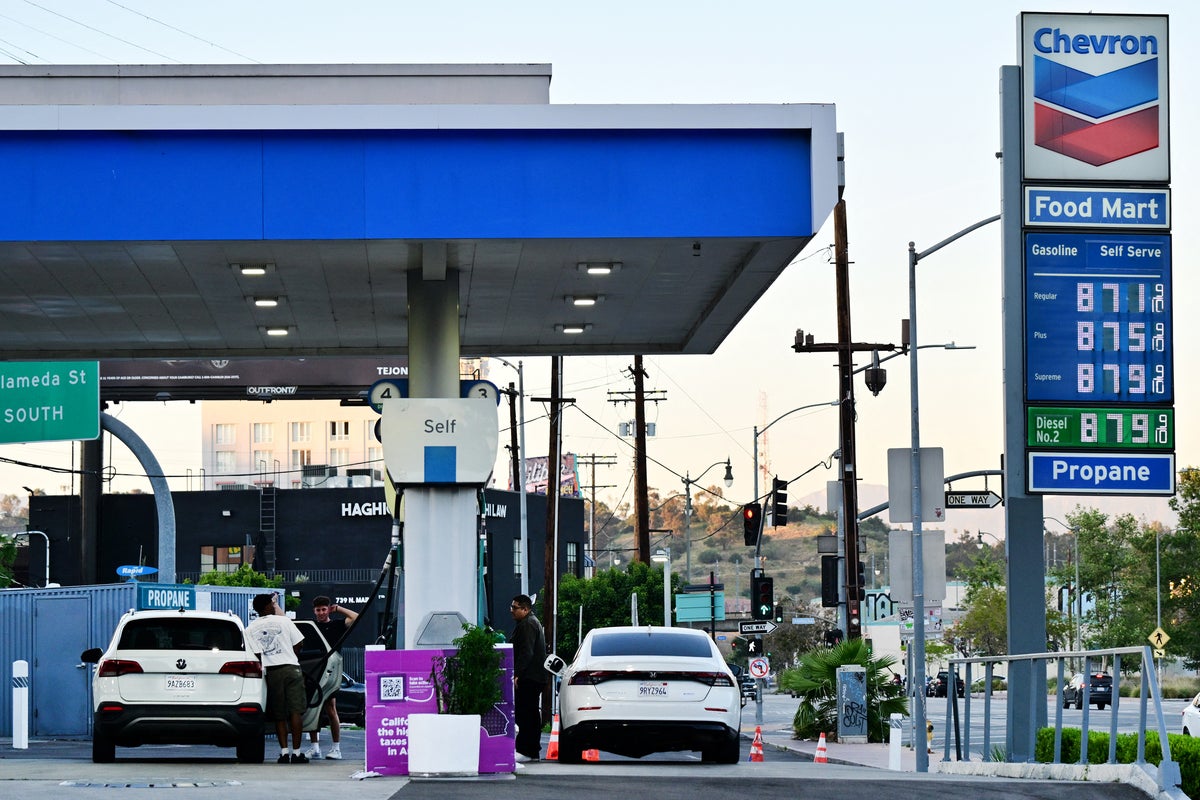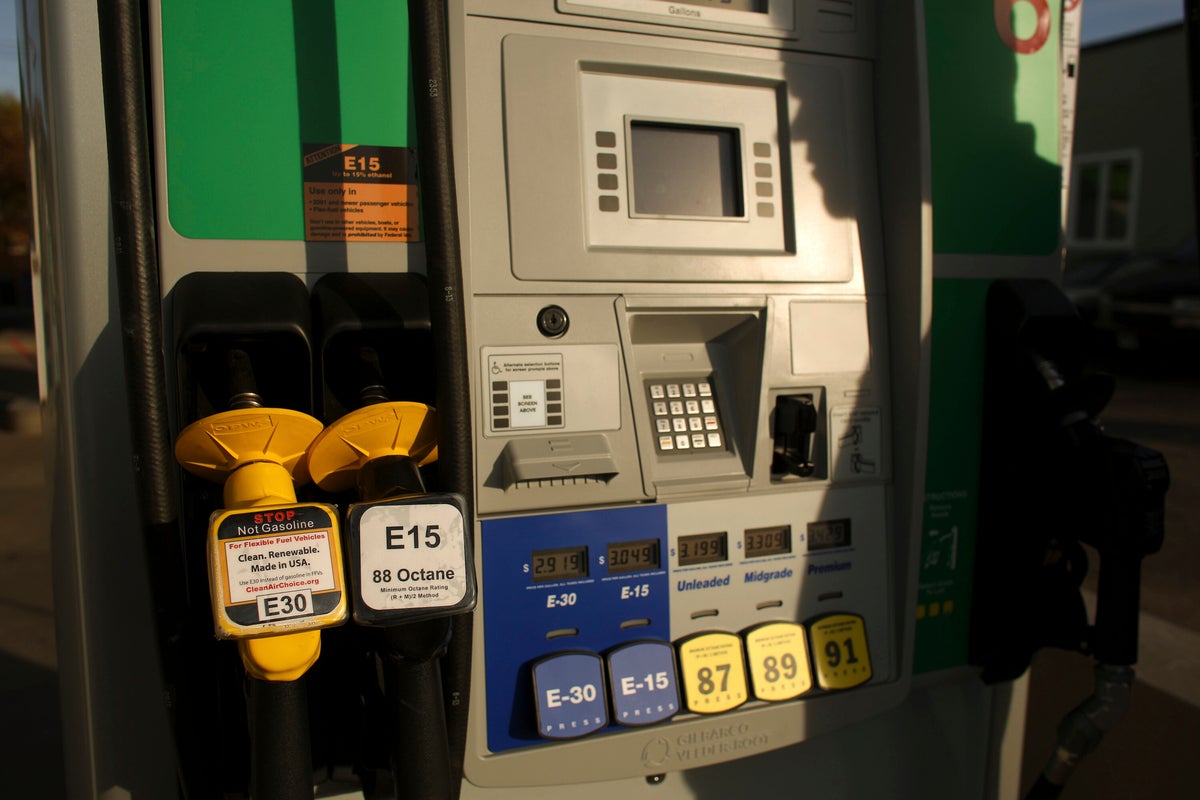
The Environmental Protection Agency’s emergency waiver allowing the summer sale of E15—gasoline blended with 15% ethanol—is frequently framed as a simple consumer price intervention. This narrow view ignores the complex interplay between RVP (Reid Vapor Pressure) regulatory windows, ethanol’s volumetric energy density, and the logistics of the Renewable Fuel Standard (RFS). Expanding the blend wall from 10% to 15% during peak volatility months is a calculated attempt to increase the total domestic supply of liquid fuel, yet the actual downward pressure on retail prices is constrained by the physical limits of internal combustion engines and the chemistry of seasonal fuel transitions.
The Reid Vapor Pressure Bottleneck
The primary regulatory barrier to E15 in summer months is not a matter of safety, but of atmospheric chemistry. Gasoline is highly volatile; it evaporates at ambient temperatures, contributing to ground-level ozone (smog). To mitigate this, the EPA mandates lower Reid Vapor Pressure (RVP) for fuel sold between June 1 and September 15.
Ethanol increases the RVP of a fuel blend. While a 10% blend (E10) has long enjoyed a 1-psi waiver to accommodate this volatility increase, E15 historically lacked this exemption. By issuing an emergency waiver, the EPA effectively bypasses the Clean Air Act’s seasonal volatility limits. This allows retailers to utilize existing ethanol inventories without the cost-intensive process of sourcing ultra-low RVP gasoline base stocks, which are typically required to keep a 15% blend within legal summer limits.
The Cost Function of Volumetric Efficiency
Market analysts often cite the lower "per-gallon" price of E15 compared to E10 or E0 (pure gasoline). However, a data-driven assessment must account for the British Thermal Unit (BTU) Deficit.
- Energy Density Gap: Pure ethanol contains roughly 33% less energy per gallon than pure gasoline.
- Net System Loss: Moving from E10 to E15 results in a roughly 1.7% drop in fuel economy.
- The Equilibrium Point: For E15 to be a rational choice for the consumer based purely on economics, the retail price must be discounted by at least 2% relative to E10 to offset the loss in miles per gallon.
If the price spread at the pump is only $0.05 to $0.10, the "savings" are frequently an illusion of nominal pricing rather than a gain in transport efficiency. The benefit to the broader economy lies not in individual consumer savings, but in the macro-level expansion of the fuel pool, which reduces the marginal cost of the last barrel of oil required to meet national demand.
The Three Pillars of Ethanol Logistics
The success of the E15 expansion relies on three distinct operational variables:
Infrastructure Compatibility
Many older retail stations utilize underground storage tanks (USTs) and dispensers not certified for blends above 10%. The legal liability of fuel leaks or equipment degradation prevents a universal rollout. Consequently, E15 availability is geographically concentrated in the Midwest, near production hubs, where infrastructure upgrades have been subsidized by federal grants like the Higher Blends Infrastructure Incentive Program (HBIIP).
The RINs Credit Market
Under the Renewable Fuel Standard, refiners must submit Renewable Identification Numbers (RINs) to prove compliance with blending mandates. If a refiner cannot blend enough physical ethanol, they must purchase RINs from those who can. By authorizing more E15 sales, the EPA increases the supply of generated RINs, which lowers the compliance cost for merchant refiners. This reduction in overhead can, theoretically, be passed down to the consumer, though the transmission mechanism from the RINs market to the retail pump is often dampened by midstream margins.
Feedstock Feedbacks
Corn represents approximately 90% of U.S. ethanol feedstock. Diverting a higher percentage of the corn crop into the fuel supply creates a tight coupling between food and energy prices. When drought or geopolitical tension impacts grain yields, the cost to produce ethanol rises, potentially negating the price advantage over petroleum.
Environmental Trade-offs and Engine Integrity
The EPA's decision necessitates a compromise between short-term economic relief and long-term air quality goals. Higher ethanol concentrations can lead to increased emissions of aldehydes and nitrogen oxides (NOx), which are precursors to smog. Furthermore, while the EPA has certified E15 for use in all vehicles manufactured from 2001 onwards, the high oxygenate content of the fuel can be corrosive to certain elastomers and metals in legacy fuel systems.
For the modern fleet, the primary risk is not catastrophic failure but "long-term fuel trim" adjustments. The engine’s Electronic Control Unit (ECU) must compensate for the leaner burn of ethanol by injecting more fuel. In high-stress conditions—such as towing in summer heat—the increased heat of combustion from leaner mixtures can accelerate wear on exhaust valves and catalysts.
Strategic Implications for Fleet Management
To leverage the current regulatory environment, operators and consumers must shift from a "price-per-gallon" mindset to a "cost-per-mile" analytical framework.
- Fuel Procurement: Logistics managers should prioritize E15 only when the price spread exceeds 3.5% over E10 to account for both the BTU deficit and the increased frequency of maintenance intervals for fuel filters and sensors.
- Arbitrage Monitoring: Keep a close watch on the D6 RIN prices. A crash in RIN values indicates an oversupply of ethanol in the system, which typically precedes a widening of the E10/E15 price spread at the terminal.
- Infrastructure Audit: Retailers should evaluate the internal components of their dispensers. Switching to E15 without UL-certified seals leads to "slow flow" issues as filters clog with dissolved resins from older fiberglass tanks.
The EPA's move is a temporary patch on a systemic supply constraint. Real energy independence requires a decoupling of fuel prices from seasonal volatility mandates, a feat that E15 performs only marginally while introducing new variables into the engine-wear and atmospheric-chemistry equations. Managers should treat E15 as a tactical tool for liquidity in the fuel market, rather than a fundamental solution to high energy costs.