Dust has a particular way of settling. In the immediate aftermath of a strike, it doesn’t just fall; it hangs, a gritty, grey veil that tastes of pulverized concrete and old exercise books. It coats the throat. It stings the eyes. But more than anything, it muffles the sound of the world. For the families in the Sistan-Baluchestan province of Iran, that silence has become a permanent resident.
It was a school. That is the fact that refuses to be buried under the political maneuvering of global powers. When a strike hits a place of learning, the geometry of the tragedy is different than a hit on a barracks or a warehouse. You aren’t just looking at structural damage. You are looking at the literal disintegration of a community’s future.
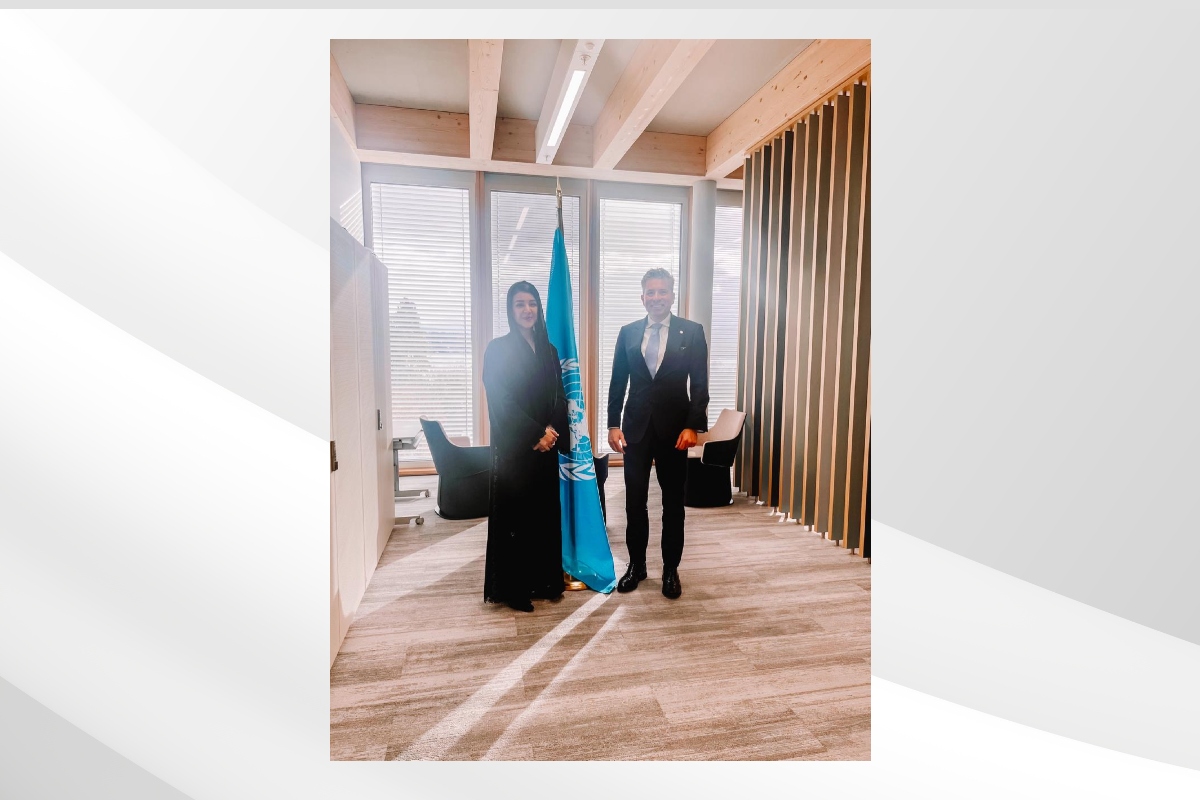
Volker Türk, the United Nations High Commissioner for Human Rights, isn’t interested in the poetic tragedy of the dust. He is interested in the cold, hard mechanics of accountability. He has stepped into the light to demand that the United States wrap up its investigation into a specific, devastating strike on a school in Iran. His voice carries the weight of a man who has seen too many folders filled with the same excuses, the same delays, and the same "collateral" labels.
The United States has been quiet. Too quiet.
Imagine, for a moment, a mother named Maryam. She isn’t a political strategist. She doesn’t follow the intricate dances of the UN Security Council. She knows that her son left for school with a half-eaten piece of flatbread in his pocket and never came home. To Maryam, the "investigation" isn't a legal proceeding. It is a flickering candle of hope that someone, somewhere, will admit that her son’s life was worth more than a footnote in a tactical report.
When the UN calls for the "conclusion" of a probe, they are calling for the end of a limbo that destroys the human spirit. Transparency isn't just a buzzword for NGOs. It is the only thing that separates a global superpower from a ghost in the night.
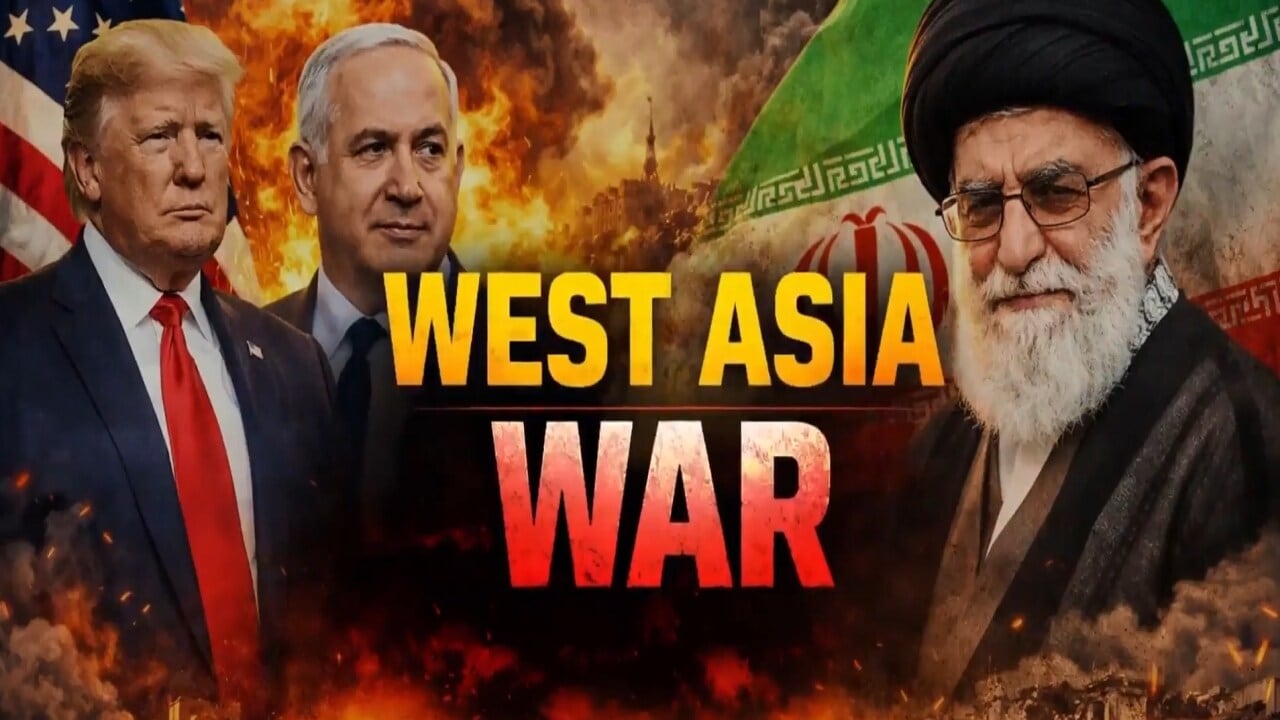
The strike in question didn't happen in a vacuum. It occurred against a backdrop of simmering tensions, a long-standing shadow war that occasionally erupts into the blinding light of a missile flash. But schools are supposed to be the red lines. They are the universal "no-fly zones" of human decency. When a school is hit, the burden of proof doesn't just sit with the accuser; it settles heavily on the shoulders of the one who pulled the trigger.
The U.S. military is a machine of incredible precision. We are told this constantly. We see the thermal footage of targets being neutralized with surgical accuracy. We hear about the "low-collateral" munitions. This narrative of perfection makes the errors even more glaring. If the machine is that good, then a mistake of this magnitude suggests something deeper than a technical glitch. It suggests a failure of intelligence, a failure of command, or a failure of empathy.
Volker Türk is pointing at a clock that has stopped ticking.
International law is often treated like a suggestion rather than a rule. It feels abstract, a series of dusty books in Geneva. But the law is actually the only tool we have to ensure that Maryam’s son isn't forgotten. The Geneva Conventions aren't about being "nice" in wartime. They are about maintaining a shred of humanity so that when the fighting stops, there is still a world worth living in.
The delay in the American probe creates a vacuum. In that vacuum, resentment grows. It becomes a recruiting tool. It becomes a justification for the next cycle of violence. When a powerful nation refuses to be transparent about its mistakes, it loses the moral high ground it claims to defend. You cannot talk about human rights while holding a closed folder that contains the details of a dead child's final moments.
The details of the strike are often debated in the language of "targets" and "assets." The school was near a facility. The facility was being used by militants. The militants were a threat. This is the logic of the war room. But what about the logic of the classroom?
Consider the physics of the event. A missile doesn't just hit a building. It creates a pressure wave that shatters glass into thousands of tiny daggers. It turns desks into splinters. It erases the names written on the inside of textbooks. The "invisible stakes" here are the trust of an entire generation. Every day that passes without a clear answer from Washington is a day that the idea of international justice becomes a punchline in the streets of the Middle East.
Türk’s demand is a plea for the integrity of the system. He knows that if the U.S. can ignore its own rules, then every other nation will feel emboldened to do the same. It is a domino effect of shadows.
The investigation has been ongoing for months. Long enough for the seasons to change. Long enough for the school to be partially rebuilt or abandoned to the weeds. Long enough for the initial shock to turn into a bitter, cold anger.
Justice delayed is justice denied. That isn't just a legal maxim; it’s a physiological reality. The human brain cannot find closure without the truth. Without an admission of what happened, the families are trapped in the moment of impact forever. They are still hearing the blast. They are still breathing the dust.
The U.S. government often cites "security concerns" for the slow pace of these reports. They talk about protecting sources and methods. While those concerns are real, they have to be balanced against the damage caused by perceived impunity. If the "methods" lead to the destruction of a school, perhaps those methods aren't worth protecting.
We have seen this pattern before. A strike occurs. A brief acknowledgment follows. An investigation is launched. Then, the silence begins. Years later, a redacted report might be released on a Friday afternoon when the news cycle is distracted. By then, the world has moved on. The victims have become statistics.
But Türk is refusing to let this one slip into the memory hole. He is standing at the podium, looking at the cameras, and reminding the world that the "Rules-Based International Order" only works if the people who wrote the rules have to follow them too.
The tension between Iran and the U.S. is a tangled knot of history, nuclear ambitions, and regional influence. It is a high-stakes game played by men in expensive suits. But the people under the flight paths are the ones who pay the "entry fee" for this game. They are the ones who have to figure out how to explain to a six-year-old why her best friend isn't in the seat next to her anymore.
Truth is a heavy thing to carry. It is uncomfortable. It requires an admission of fallibility. For a nation that views itself as the "indispensable" power, admitting a catastrophic error is a bitter pill. But it is also the only way to heal.
The investigation needs to be concluded. Not with a vague statement of regret, but with a transparent account of what went wrong. Who made the decision? What was the intelligence? What will be done to ensure it never happens again? These aren't just questions from a UN official. They are the demands of a global community that is tired of seeing its children become "unfortunate outcomes."
The sun sets over Sistan-Baluchestan, casting long shadows across the uneven ground where the school once stood. The dust has finally settled. But the air is still thick with the weight of things unsaid.
Volker Türk has made his move. The world is waiting for the reply. Until then, the silence isn't peace. It’s just the breath we all hold before the next thing falls from the sky.
Beneath the politics and the high-level diplomacy, there is a simple, haunting reality. A school should be the safest place on Earth. When it isn't, something fundamental has broken in our collective soul. Fixing it starts with a report, a name, and the courage to look at the wreckage and say: we did this, and we are sorry.