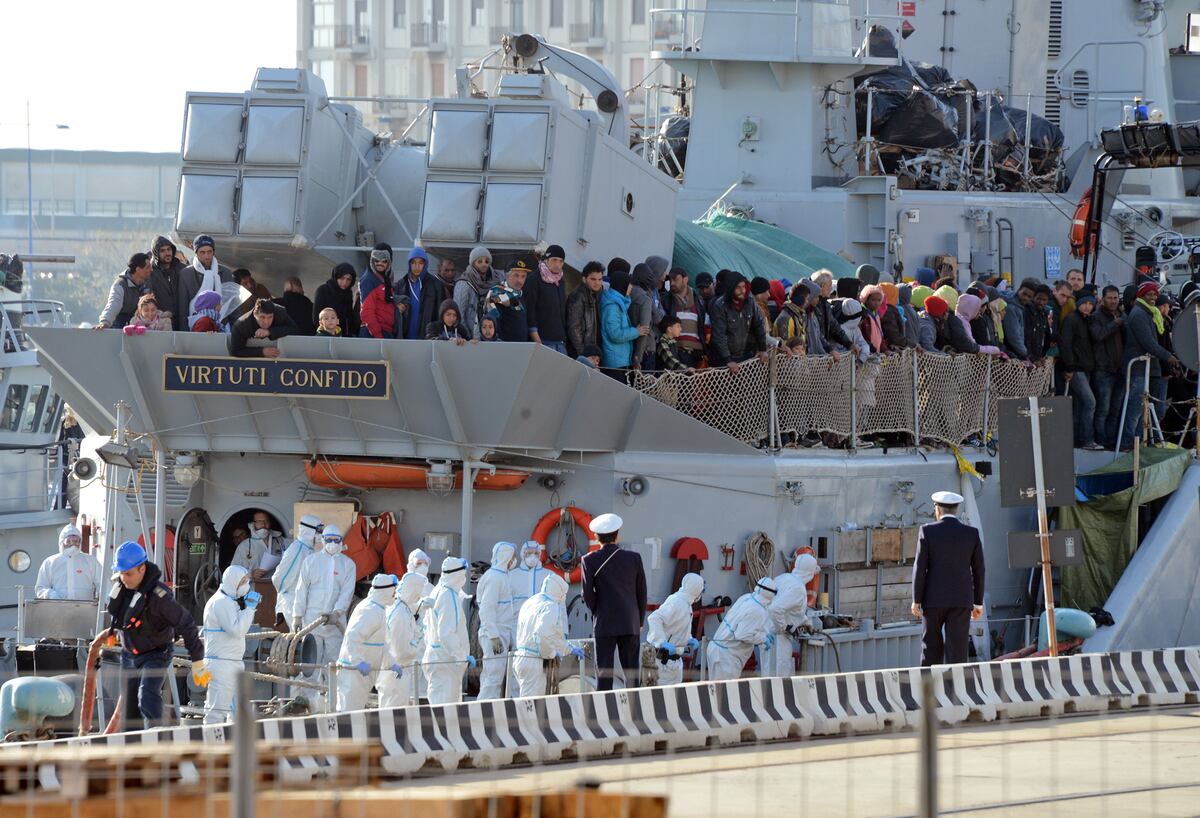
Getting a direct invite to stay in Canada used to feel like a math problem anyone could solve with a high English score and a master's degree. Not anymore. If you've been watching the Express Entry draws lately, you've probably noticed the scores for general categories are stubbornly high, leaving thousands of talented people in limbo. But there's a shift happening right under our noses. On April 13, 2026, Immigration, Refugees and Citizenship Canada (IRCC) sent out 324 invitations to apply for permanent residence, and every single one of them went to candidates with a provincial nomination.
This isn't a fluke. It's the strategy.
The latest draw, #409, saw the Comprehensive Ranking System (CRS) cutoff hit 786. If that number makes you do a double-take, remember that a provincial nomination automatically hands you 600 points. Without that boost, the "real" score for these candidates was just 186. That's the power of the Provincial Nominee Program (PNP). While the federal government tightens the belt on overall immigration numbers—aiming for 380,000 new permanent residents this year—provinces like Ontario, British Columbia, and Saskatchewan are becoming the real gatekeepers of who gets to call Canada home.
The Secret Priority of Provincial Draws
Provinces aren't just looking for warm bodies; they're looking for specific skills that the federal system sometimes overlooks. The April 13 draw is the sixth PNP-specific round we've seen in 2026. It follows a March 30 draw where 356 people were invited. Notice the trend? The cutoff score actually dropped by 16 points between those two draws. This suggests that as more provinces ramp up their nominations, the entry barrier within the PNP pool is slightly relaxing, even as the general "All-Program" draws feel like an impossible mountain to climb.
It's a localized approach. Ontario just blasted through a massive round on April 8, 2026, issuing 1,635 invitations to healthcare and early childhood education workers. They also carved out space for 146 Francophone candidates. If you're a French-speaking architectural technologist or a dental hygienist, Ontario basically rolled out the red carpet. They aren't waiting for the federal government to guess what the Toronto or Ottawa labor markets need. They're picking the winners themselves.
Why Your Strategy Needs to Flip
Most applicants still treat the PNP as a "Plan B." That’s a mistake in 2026. With the 2026-2028 Immigration Levels Plan focusing heavily on people already in Canada and those in high-demand trades, the PNP is effectively Plan A.
Saskatchewan is currently the speed demon of the system. Their latest data from April 9 shows processing times for some streams dropping to just two or three weeks. Imagine getting your provincial nomination in less time than it takes to get a passport renewed. Once you have that nomination, you're practically guaranteed an Invitation to Apply (ITA) in the next Express Entry PNP draw.
But there’s a catch. IRCC is increasing permanent residence fees on April 30, 2026. The PNP fee is jumping to $990. It's a small hike in the grand scheme of a life-changing move, but it's a reminder that the window of "cheaper and faster" is closing. If you’re sitting on a nomination, you need to move.
The Realities of the 2026 Market
You can't just coast on a high CRS score anymore. The government's goal is to keep the non-permanent resident population under 5% by next year. This means they're prioritizing "in-land" candidates—people who are already here, working, and paying taxes. If you’re outside Canada, a provincial nomination is likely your only realistic path to permanent residence right now.
- Healthcare is King: If you're a doctor or nurse, provinces are competing for you.
- Trades are the Backbone: Construction and infrastructure workers are getting lower CRS requirements in provincial streams.
- Tech is Selective: It's no longer "any tech job." Provinces are looking for specific NOC codes like user support technicians and electronic service techs.
Stop Waiting for General Draws
If you're still waiting for a general Express Entry draw to drop into the 400s, honestly, you're dreaming. The competition is too fierce and the targets are too specific. The April 13 draw proves that the government is happy to let the PNP do the heavy lifting.
Check your eligibility for the Ontario In-Demand Skills stream or BC’s tech pathways. Look at Saskatchewan’s updated processing times. The 600-point bonus from a province is the only way to bypass the "score fatigue" that’s currently plaguing the Express Entry pool.
Get your documents in order before the April 30 fee hike. If you were one of the 324 people invited this week, you’ve got 60 days to submit a perfect application. Don't waste the opportunity by being sloppy with your work experience letters or police certificates. The system is getting more selective, and a single mistake can put you back at the start of a much longer line. Focus on the provinces. That’s where the PR cards are actually being handed out.