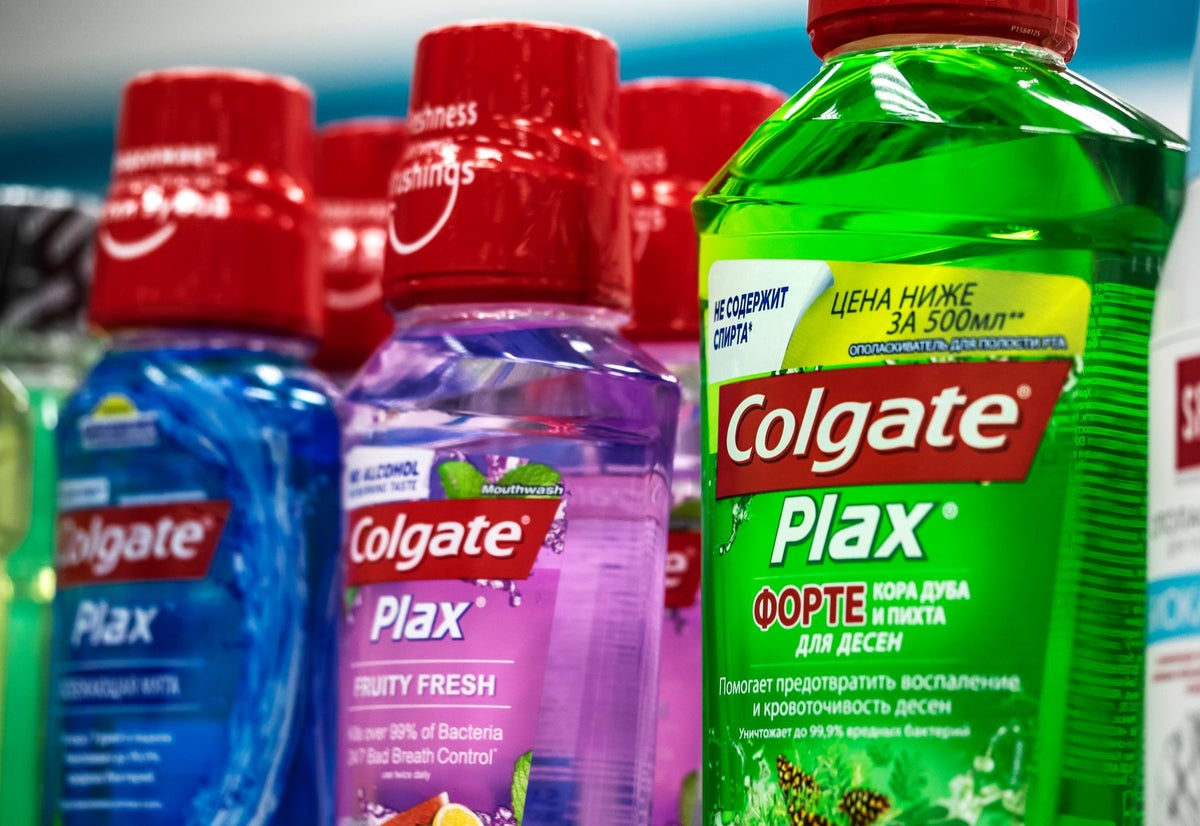
You’ve seen the bottles. They’re neon pink, electric blue, or sunset orange. They feature Paw Patrol pups, unicorns, or grinning cartoon sharks. They taste like "Silly Strawberry" or "Bubble Fruit." If you’re a parent, you’ve probably grabbed one off the shelf at Target because it’s the only way to get your six-year-old to care about dental hygiene. But a federal judge in Chicago just gave a massive green light to a lawsuit that suggests these products aren't as innocent as the "kids" label makes them look.
On Friday, March 27, 2026, U.S. District Judge Andrea Wood ruled that Colgate-Palmolive must face two class-action lawsuits. The core of the legal battle isn't just about what's inside the bottle—it’s about the "deceptive" way the company sells it to you.
The mouthwash trap
The legal drama boils down to a pretty simple conflict. On one hand, you have the front of the bottle. It screams "KIDS" in giant letters. It has a picture of a cartoon character. It looks like a toy. On the other hand, you have the back of the bottle. If you squint at the tiny text in the "Drug Facts" box, you’ll find a warning mandated by the FDA: Do not use in children under 6 years of age.
The plaintiffs in these lawsuits, led by attorney Michael Connett, argue that this is a classic "bait and switch." They claim the bright colors and "child-friendly" branding trick parents into thinking the product is safe for toddlers and preschoolers who haven't yet mastered the "spit, don't swallow" reflex.
Judge Wood agreed that a "reasonable consumer" might be misled. She point-blank rejected Colgate's defense that parents should just be more diligent and read the back label. In her view, when the front of the bottle is basically a party for five-year-olds, you can't blame a mom or dad for assuming it's actually for five-year-olds.
Why fluoride is the double-edged sword
We’ve been told for decades that fluoride is the gold standard for preventing cavities. And topically, it is. But when kids swallow it, things get messy fast.
Young children under six don't have fully developed swallowing reflexes. They’re basically "gulp-first, ask-questions-later" machines. This is why the FDA is so strict about that age six cutoff for mouthwash.
- Acute Toxicity: Swallowing a significant amount of fluoride mouthwash can cause nausea, vomiting, and stomach pain.
- The Lethal Limit: The lawsuits make a terrifying claim: a little over half a bottle of some "kids" mouth rinses contains enough fluoride to be fatal to a toddler.
- Neurotoxicity Concerns: There's a growing pile of research—including a 2024 National Toxicology Program report—linking high fluoride exposure in early childhood to lower IQ scores.
Why the toothpaste claim got tossed
Interestingly, the judge didn't let the entire lawsuit proceed. She dismissed the claims regarding Colgate's toothpaste.
Why the difference? It comes down to the "pea."
The toothpaste packaging for brands like Colgate and Tom's of Maine actually includes instructions right there in the visual layout. It tells parents of kids aged 2 to 6 to use only a "pea-sized" amount. Because the instructions for toothpaste are more explicit and acknowledge the younger age group (2+), the judge felt the marketing wasn't "deceptive" in the same way the mouthwash was.
However, this hasn't stopped other legal headaches for Colgate. In late 2025, the company had to settle with Texas Attorney General Ken Paxton over marketing that showed "full strips" of toothpaste on brushes—a visual that encourages parents to use way more than is safe for a small child.
Heavy metals and the "natural" myth
If the fluoride debate wasn't enough, Colgate is also dodging a separate legal bullet regarding heavy metals. In 2025, independent lab testing found elevated levels of lead and arsenic in "Hello Kids" toothpaste—a brand Colgate owns that markets itself as "natural" and "safe."
Tested varieties like "Unicorn Sparkle" and "Dragon Dazzle" allegedly contained lead levels between 236 and 658 parts per billion. For context, the FDA suggests a limit of 10 to 20 parts per billion for baby food. While the mouthwash lawsuit is about known ingredients being marketed poorly, the heavy metal suits are about unlisted toxins that shouldn't be there at all.
What you should do tonight
If you have a bottle of "kids" mouthwash sitting on your bathroom counter, don't panic, but do a quick audit.
- Check the age: If your kid is under 6, that mouthwash shouldn't be used. Period. It doesn't matter if it says "kids" or has a picture of a puppy on it.
- Lock it up: Treat fluoride mouthwash like medicine. If a toddler drinks half the bottle because it tastes like "Groovy Grape," you're looking at a trip to the ER or a call to Poison Control.
- Supervise the "pea": For kids between 2 and 6, you should be the one putting the toothpaste on the brush. A tiny smear or a pea-sized drop is all they need.
- Ignore the "Natural" labels: Just because a box says "no artificial sweeteners" doesn't mean it's been tested for heavy metals or that the fluoride levels are different.
This ruling is a massive wake-up call for the dental care industry. For too long, companies have used "toy-like" packaging to sell products that carry adult-strength risks. Until the labels catch up to the science, the responsibility is unfortunately landing squarely on parents to ignore the cartoons and read the fine print.
Stop relying on the front of the bottle to tell you if a product is safe. Turn it over, grab your glasses, and read the "Drug Facts" before your kid starts rinsing.