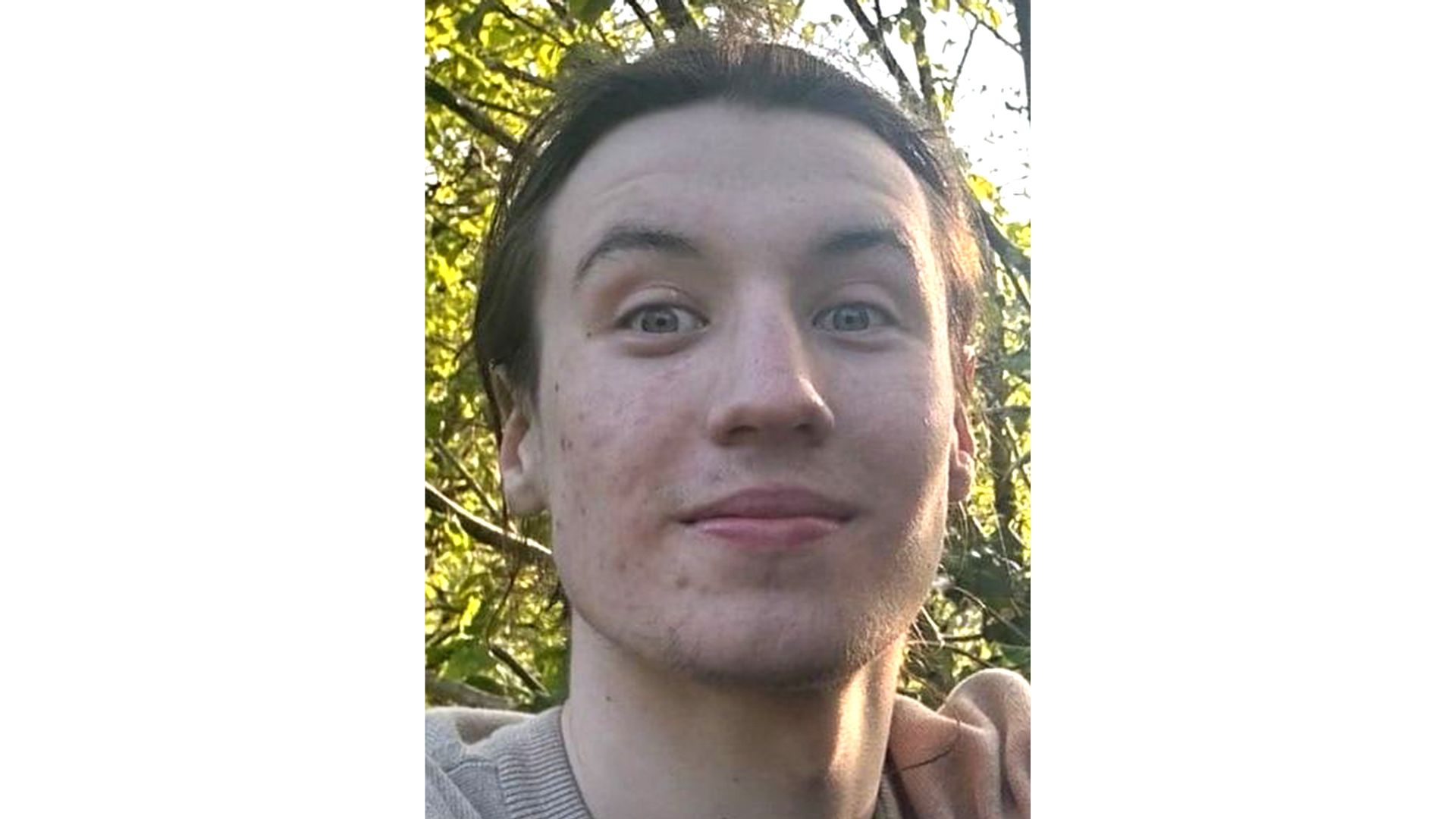
The grass on Primrose Hill usually smells of damp earth and expensive champagne. It is a place where the skyline of London stretches out like a glittering promise, a panoramic reassurance that the city is vast, beautiful, and full of life. People go there to watch the fireworks, to kiss, to toast to new beginnings. But as the clock edged toward midnight on New Year’s Eve, the air changed. The celebration curdled.
Harry Pitman was sixteen.
He wasn't a statistic. He wasn't a "casualty of knife crime" in that moment. He was a boy with a wide smile who had traveled across the city to see the lights with his friends. He was a son who had promised to be home. He was a brother who would never again argue over the remote or share a private joke in the kitchen. When the blade pierced the revelry, the sound of the city’s cheers didn't stop, but for one family, the world went silent.
The courtrooms of Old Bailey are designed to be cold. They are built to strip away the heat of the moment and replace it with the sterile precision of the law. This week, a 17-year-old boy, whose name remains shielded by the shadow of his age, stood in that dock. He is charged with murder. He is charged with the possession of an offensive weapon. Two lives, bound together by a few seconds of inexplicable violence, have effectively ended—one buried in the ground, the other staring at the stone walls of a cell.
The tragedy of London’s streets isn't just the violence itself. It is the terrifying randomness of the "why."
Imagine a crowd. Thousands of people are shoulder-to-shoulder, shivering in the December chill, eyes turned toward the Thames. In such a density of humanity, friction is inevitable. A bumped shoulder. A misunderstood look. A word caught wrong in the wind. In a healthy society, these are the minor irritations of urban living. But we are living in a time where the threshold for escalation has dropped into an abyss.
The prosecution’s case hinges on a moment that defied logic. They describe a confrontation that broke out in the crowd. It wasn't a gang war. It wasn't a calculated heist. It was a flash of steel in a place meant for joy. Witnesses describe the confusion, the way the celebratory mood didn't break all at once but fractured, like ice under a heavy weight. People kept cheering because they didn't know a boy was dying at their feet.
The disconnect is visceral. While the sky was exploding in gold and crimson, Harry was bleeding into the grass.
The police investigation that followed was a monumental exercise in digital archaeology. Detectives didn't just walk the beat; they combed through thousands of hours of social media footage. Every person on that hill was a walking camera. Every Snapchat story, every blurred TikTok dance, every "Happy New Year" selfie became a potential piece of evidence. This is the modern hunt for justice: sifting through the debris of our digital joy to find the face of a killer.
They found him. Or at least, they found the person they believe is responsible.
But catching a suspect is not the same as solving the problem. The "problem" is a shapeless, heavy thing that sits in the stomach of every parent whose child asks to go out on a Friday night. It is the realization that the city’s beauty is a thin veil. We talk about "knife crime" as if it is a weather pattern, something to be monitored and lamented, but ultimately out of our control. We use terms like "youth violence" to distance ourselves from the reality that these are children killing children.
Let’s be honest about the fear. It is a quiet, persistent hum. It’s the reason people look twice at a group in hoodies. It’s the reason a mother’s heart hammers against her ribs when her son’s phone goes straight to voicemail. We want to believe there is a simple fix—more police, longer sentences, better lighting. But those are just bandages on a wound that goes to the bone.
The stakes are invisible until they are agonizingly clear. The stake is the empty chair at the dinner table. The stake is the bedroom that remains exactly as it was on December 31st because moving a single pair of sneakers feels like an act of betrayal.
During the court proceedings, the details emerged with a grim, rhythmic consistency. The weapon. The wound. The witness statements. The defense will argue their side, as is the right afforded by a civilized society. They will talk about intent, or lack thereof. They will talk about the chaos of the crowd. They will try to find a way to make the unthinkable seem like a tragic accident or a moment of panicked self-defense.
Yet, the fundamental truth remains unblemished by legal maneuvering: a boy went to watch fireworks and never came home.
The judge remanded the defendant in custody. There will be a trial. There will be a verdict. There will be a sentence. The legal machinery will grind on until it produces an outcome that satisfies the requirements of the state. But justice is a fickle thing. It can punish, but it cannot restore. It can lock a door, but it cannot bring back a heartbeat.
We are left to wonder about the ripples. The friends who saw Harry fall will never see a crowd the same way again. The sound of a firework will, for them, forever be tied to the sound of a scream. The police officers who tried to save him, their hands slick with the blood of a stranger, will carry that weight into their next shift and the shift after that.
The hill is quiet now. The tourists are back, taking their photos of the Shard and St. Paul’s. The grass has grown over the spot where the cordon once stood. To a casual observer, the wound in the city has healed.
But if you stand there long enough, when the sun starts to dip and the shadows stretch long toward the trees, you can feel the absence. It is the weight of a life unlived. It is the ghost of a future that vanished in a heartbeat. The city keeps spinning, its lights blinking in a thousand windows, indifferent to the fact that one of its lights was snuffed out before it ever had the chance to truly shine.
Harry Pitman was sixteen. The boy in the dock is seventeen. Somewhere, in the gap between those two numbers, is a story of a city that is losing its way, one New Year's Eve at a time.