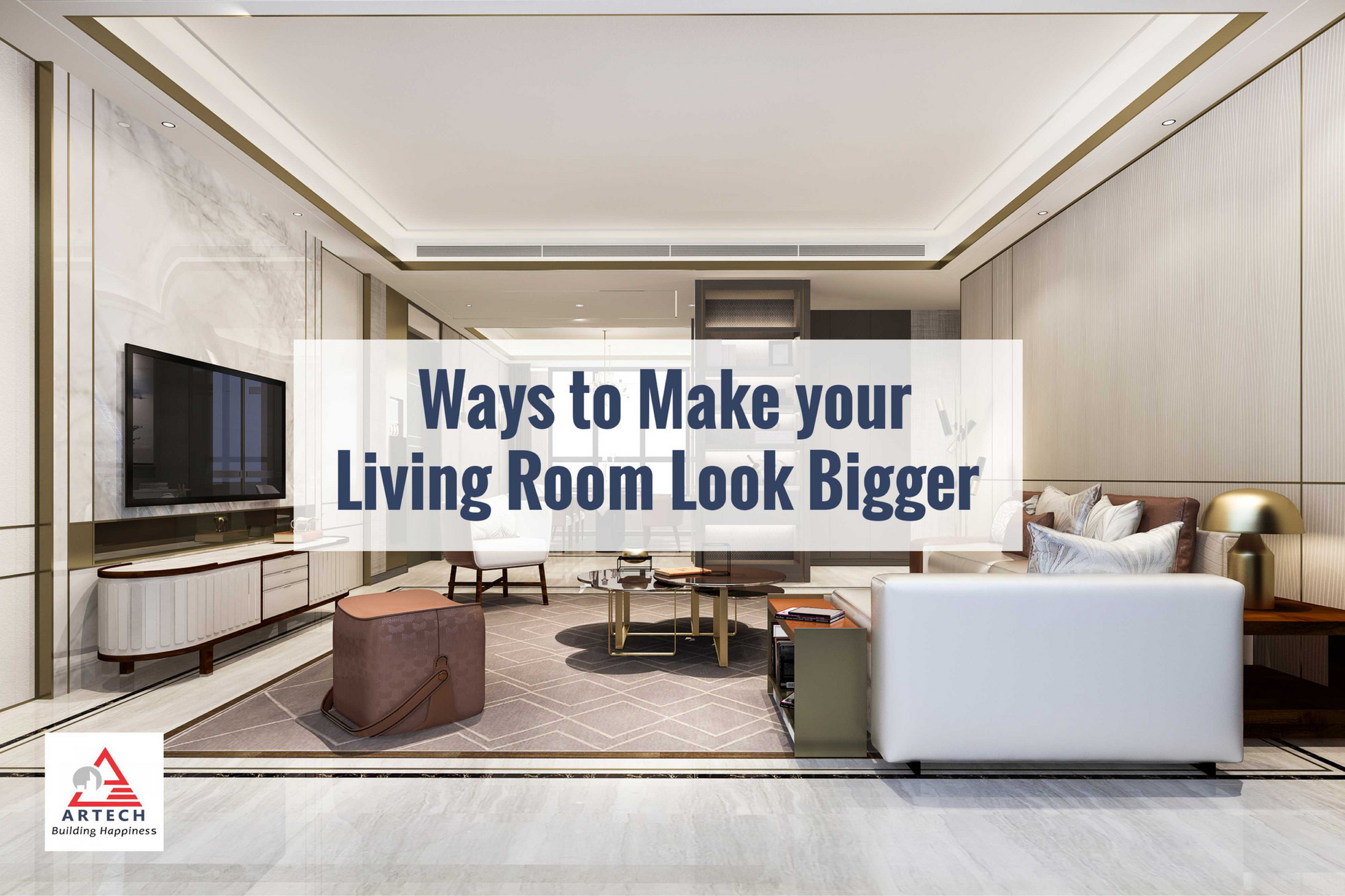
Most people treat their living space like a museum or a storage unit. They buy a sofa because it looks good in a showroom, then wonder why they’re never comfortable. They follow design trends that make their home feel like a cold hotel lobby. It's a waste of square footage and money.
A real living space isn't about matching pillows. It's about how you move, breathe, and exist within four walls. If you’re constantly shifting piles of mail or tripping over a coffee table that’s too big for the rug, your home is failing you. We need to stop designing for "the look" and start designing for the human.
The psychological cost of a messy layout
Your brain reacts to your environment every second you’re awake. Environmental psychology shows that cluttered, poorly lit, or cramped spaces spike cortisol levels. It's subtle. You don't notice it until you leave and feel a sudden wave of relief.
A cramped living room isn't just a spatial problem. It's a mental one. When your physical surroundings are chaotic, your focus shatters. Think about the last time you tried to relax in a room where every surface was covered in "stuff." You probably didn't relax at all. You just sat there thinking about what you should be cleaning.
Efficiency matters more than size. I've seen 400-square-foot apartments that feel like palaces and 4,000-square-foot mansions that feel like prisons. The difference is intentionality. You have to decide what your life actually looks like, not what you want it to look like on social media.
Stop buying furniture that doesn't fit your habits
Don't buy a massive dining table if you eat on the couch every night. Don't get a white velvet sofa if you have a dog that sheds or kids with sticky hands. It sounds obvious, but people ignore their reality every single day. They buy for the "idealized" version of themselves.
The first step to a better living space is an honest audit. Track your movements for three days. Where do you drop your keys? Where do you pile your laundry? Where do you actually sit to drink your coffee? If you always drop your mail on the kitchen island, put a tray there. Don't fight your habits. Adapt the room to them.
Focus on the "active zones." These are the places where you spend 80% of your time. For most, it's the seating area and the kitchen. If these areas are clunky, the whole house feels off. Use the "rule of three feet." You need at least three feet of walking space between major furniture pieces. Anything less feels like an obstacle course.
Lighting is the most ignored part of home design
Most builders put one big light in the middle of the ceiling and call it a day. It’s terrible. Overhead lighting is harsh and creates deep shadows that make people look tired and rooms look small. It’s "big light" energy, and it's killing your vibe.
You need layers. Think about three specific types: ambient, task, and accent lighting. Ambient is your general light. Task is for reading or cooking. Accent is for making things look cool.
I tell people to turn off their overhead lights after 6:00 PM. Use lamps. Use floor lights. Put LED strips behind your TV or under your kitchen cabinets. Warm light—around 2700K on the Kelvin scale—mimics the sun at dusk and helps your body produce melatonin. If you’re sitting under bright blue-white lights at midnight, don't wonder why you can't sleep.
The myth of open concept living
For twenty years, everyone tore down walls. Now, people are realizing they have nowhere to hide. Open concept is great for parties, but it sucks for everyday life. You can hear the dishwasher while you're trying to watch a movie. You can smell the salmon you cooked for dinner while you're trying to work.
You don't need to rebuild walls, but you do need to define zones. Use rugs to create "islands." A rug under the dining table tells your brain, "This is for eating." A different rug in the seating area says, "This is for resting."
Bookshelves aren't just for books. They make great room dividers. They provide vertical storage and a visual break without making a room feel tiny. If you work from home, this is mandatory. You need a physical or visual boundary between your "work life" and your "home life." If you don't have it, you'll never feel like you've truly left the office.
Color theory without the fluff
People get terrified of color. They stick to "landlord beige" or "sad gray" because they're afraid of making a mistake. But living in a neutral box is boring. It drains your energy.
You don't have to paint your walls neon green. Use the 60-30-10 rule. 60% of the room is your dominant color (usually the walls), 30% is a secondary color (upholstery or rugs), and 10% is an accent (pillows, art, or plants).
Dark colors don't always make a room look smaller. Sometimes, a dark navy or charcoal wall makes the boundaries of the room disappear, making it feel deeper. It adds drama. It adds soul. If you have a small, windowless bathroom, don't paint it white to "brighten it up." It'll just look like a bright, small, windowless bathroom. Paint it a rich, moody color and embrace the coziness.
Making small spaces feel massive
If you're dealing with a tiny footprint, stop buying small furniture. It’s counterintuitive. A bunch of small chairs and tiny tables makes a room look cluttered and "dollhouse-ish."
One large, comfortable sectional often works better in a small room than a loveseat and two chairs. It draws the eye to one spot and provides more seating. Use "leggy" furniture. Pieces that sit high off the floor on thin legs allow you to see more of the floor, tricking your brain into thinking the room is bigger.
Mirrors are the oldest trick in the book for a reason. They work. A large floor mirror leaning against a wall reflects light and doubles the visual depth of the room. Place it opposite a window if you can. It’s basically a second window that doesn't require a contractor.
The "One In One Out" rule for clutter
You can't organize your way out of having too much stuff. No amount of plastic bins or "smart" storage will save you if you're a hoarder. Every object in your living space should either be useful or genuinely beautiful to you.
If you buy a new coffee table book, donate an old one. If you get a new throw blanket, get rid of the one that’s pilling and scratchy. This keeps the "gravity" of your room in check.
Be ruthless about surfaces. Kitchen counters, coffee tables, and entry consoles are magnets for junk. Clear them every night. It takes two minutes. Waking up to clear surfaces changes the entire trajectory of your morning. You feel in control.
Sensory details you’re probably missing
A living space isn't just visual. How does it smell? How does it sound? If you have hard floors throughout, the echoes will make your home feel cold and industrial. Use textiles to soften the acoustics. Curtains, rugs, and even canvas art on the walls absorb sound.
Invest in a signature scent. I'm not talking about those cheap "ocean breeze" plug-ins. Get a high-quality diffuser or some beeswax candles. Scent is tied directly to memory. When you walk in and smell something specific and pleasant, your nervous system automatically starts to downshift.
Check the air quality. Most modern homes are airtight, which is great for the electric bill but bad for your lungs. Volatile Organic Compounds (VOCs) from furniture and paint can linger for years. Get some plants. Snake plants and Pothos are hard to kill and actually scrub the air. Plus, having something alive in the room makes it feel less static.
Real life isn't a magazine shoot
Stop trying to hide the fact that humans live in your house. A home that looks too perfect is uncomfortable for guests. They’re afraid to put their drink down or sit on the sofa.
Leave a book open on the table. Keep your favorite mug on the counter. These "signs of life" make a space feel warm. It's the difference between a house and a home. The goal is "curated comfort," not "sterile perfection."
Design for the person you are on a Tuesday night at 9:00 PM when you're tired and just want to veg out. If your living space doesn't support that person, it's not working.
Start by moving one piece of furniture that has always annoyed you. Swap out one harsh light bulb for a warm one. Take five things off your kitchen counter and put them in a drawer. You'll feel the difference immediately. Don't wait for a full renovation that might never happen. Fix the space you have right now.