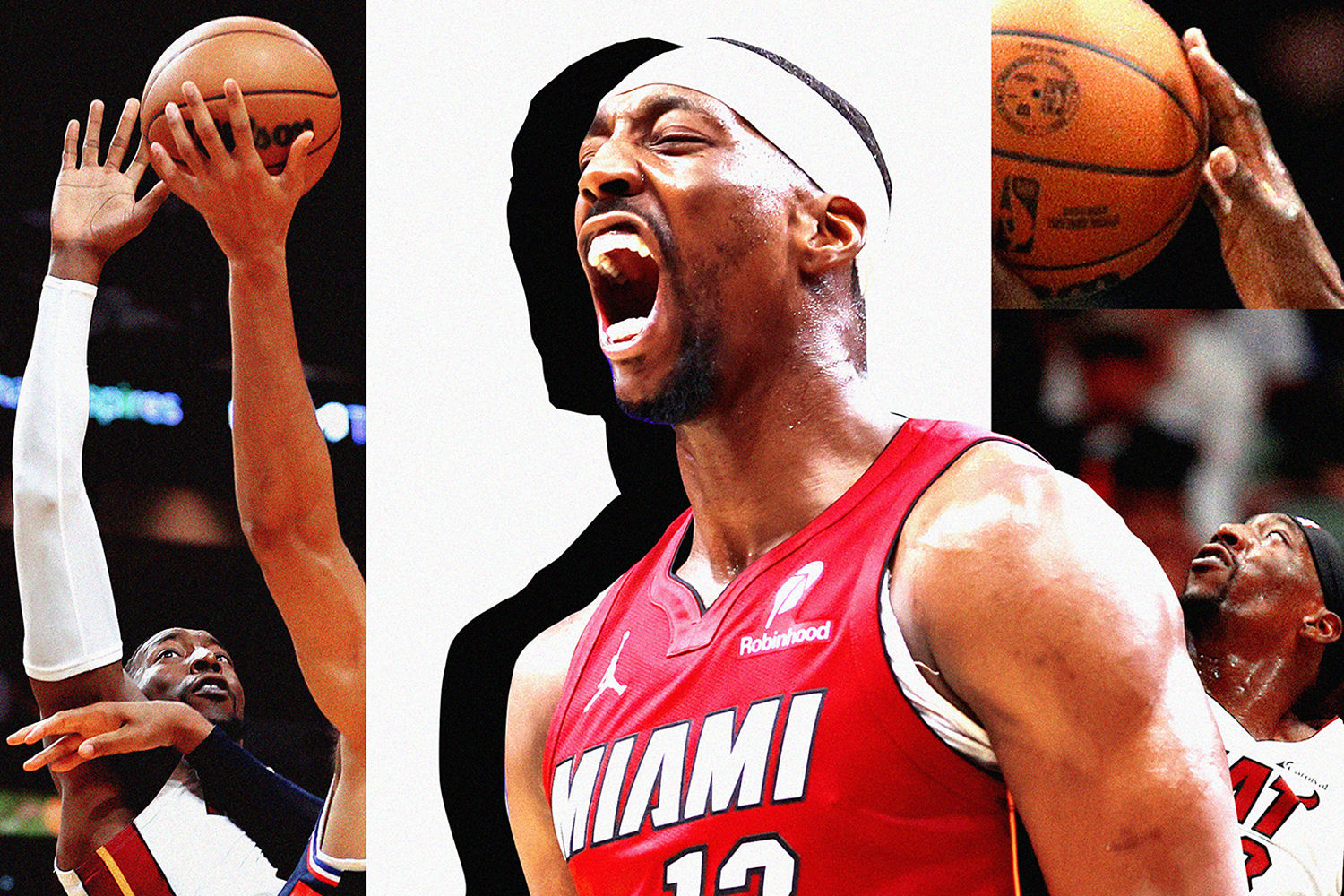
The sound of a bouncing basketball in a hollow gym is the same whether you are in Akron, Ohio, or Belgrade, Serbia. It is a rhythmic, hollow thud—a heartbeat. But for decades, the people listening to that heartbeat in Europe have been treated like second-class citizens in their own house.
They have the passion. They have the history. They have the talent that currently occupies the top three slots of the NBA’s MVP ballot. What they don’t have is a machine that works.
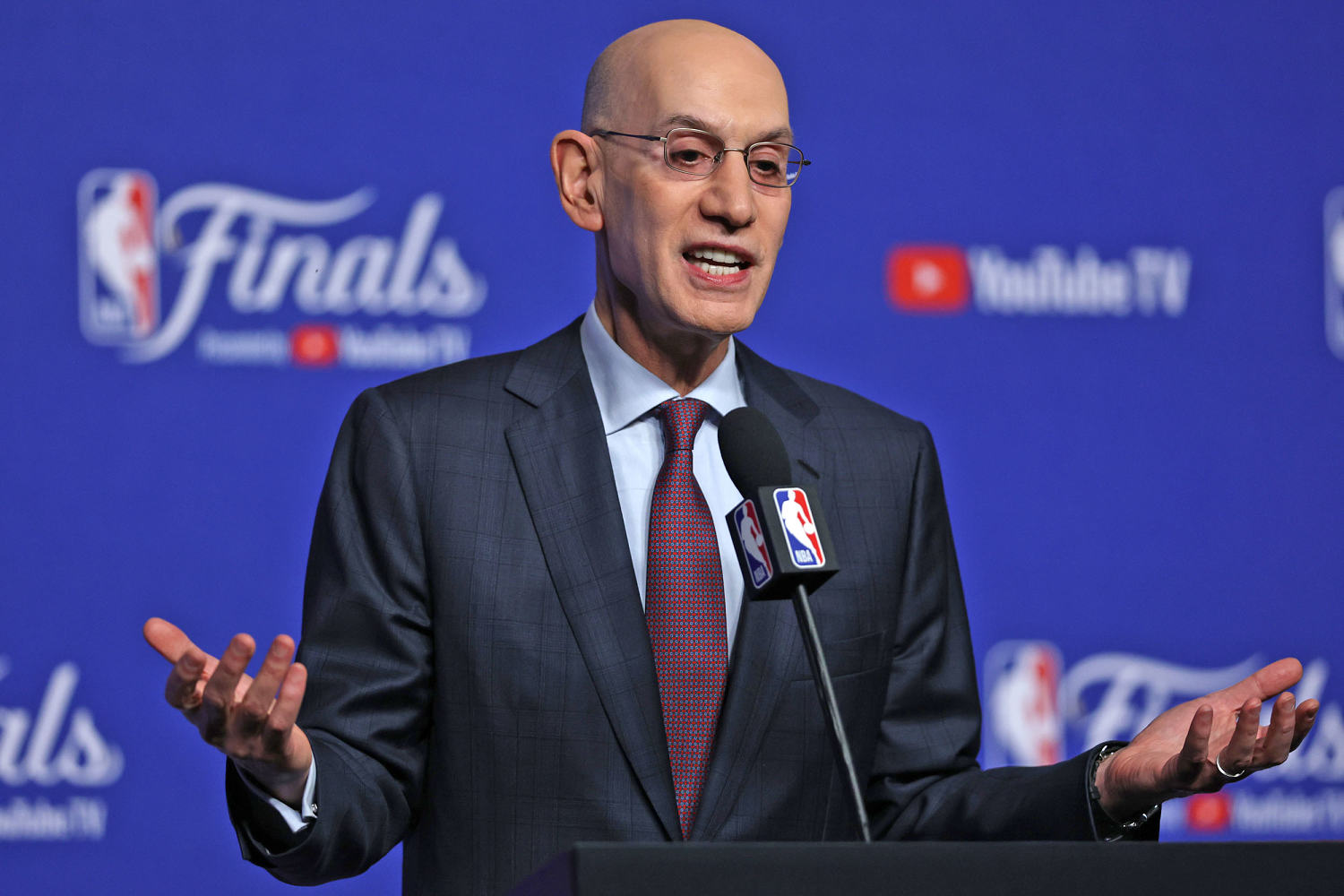
Right now, the NBA is looking across the Atlantic, not as a tourist, but as an architect. Adam Silver and his advisors aren't just thinking about a few exhibition games in Paris or London. They are planning to dismantle the fractured, money-losing architecture of European basketball and rebuild it in the image of the most successful sports league on earth.
Investors see a multibillion-dollar valuation. The NBA sees the final frontier of its global empire. But for the kid in Ljubljana or the coach in Madrid, this is about something much deeper than a balance sheet. It is about whether the soul of the game can survive the arrival of the suits.
The Fractured House
To understand why the NBA is moving now, you have to look at the current state of the European game. It is a beautiful, chaotic mess.
Imagine a hypothetical fan named Marco. Marco lives in Bologna. He loves his local team with a ferocity that borders on the religious. He knows the chants. He knows the history of every rivalry. But when Marco wants to watch his team play the best in Europe, he enters a labyrinth of confusing schedules, competing leagues, and broadcast rights that seem designed to keep fans away.
The EuroLeague, currently the top flight of the sport in Europe, is a private venture owned by its clubs. It features the highest level of play outside of North America. Yet, it sits in a state of perpetual civil war with FIBA, the sport's global governing body. They fight over calendars. They fight over players. They fight over who gets to keep the lights on.
The result? The EuroLeague loses money. Almost every team in it operates at a deficit, propped up by wealthy owners or the football giants—like Real Madrid or Barcelona—who use their soccer profits to fund their basketball dreams.
It is a vanity project masquerading as a business.
The NBA looks at this and sees a massive, untapped goldmine. They see a continent of 740 million people where basketball is often the second most popular sport, yet the commercial revenue is a tiny fraction of what the NBA generates in a single month. The NBA is tired of watching its future stars develop in a system that is broke.
The Billion Dollar Blueprint
The plan being whispered about in the boardrooms of Manhattan involves a new league—NBA Europe. It wouldn't just be another tournament. It would be a total reset.
The goal is to create a league that mirrors the NBA's efficiency. Centralized licensing. Unified media rights. A reliable, sleek digital platform that actually works. Most importantly, it would bring the "NBA" brand—a seal of quality that carries massive weight in the luxury markets of Europe.
Think about the math. The NBA’s current domestic media rights deal is worth billions. In Europe, the patchwork of local TV deals for basketball is worth peanuts by comparison. If you can aggregate the eyeballs of fans in Spain, Greece, Turkey, Lithuania, and France into one single, premium product, the valuation doesn't just grow. It explodes.
Wall Street isn't stupid. Firms like Raine Group have already been sniffing around, valuing this potential European venture at upward of $4 billion. That is a staggering number for a sport that currently struggles to pay its own electricity bills in some corners of the continent.
But money is a cold comfort if you don't understand the culture.
The NBA’s greatest challenge isn't the logistics or the broadcast rights. It’s the "closed shop" model. In Europe, sports are built on the dream of promotion and the nightmare of relegation. You earn your way up. You fall your way down. The NBA is a franchise model—a protected circle of billionaires where nobody ever gets kicked out.
Try explaining that to a fan in Athens who believes his team’s survival is a birthright.
The Invisible Stakes
Why does this matter to you, the person who might only watch basketball during the Finals?
Because this is the blueprint for the future of all entertainment. We are moving toward a world of "super-leagues." We see it in soccer with the failed (but lurking) European Super League. We see it in golf with the LIV merger. The era of localized, quaint sports traditions is being swallowed by the era of the global platform.
The stakes are the very definition of what a "team" is.
In the NBA's vision, a team is a "content provider." It is a node in a global network. In the European vision, a team is a community asset. It is the history of a city block.
When the NBA arrives with its billions, it will bring better stadiums. It will bring better replays and higher-quality jerseys. It will bring a level of professionalism that will make the current European game look like a high school production.
But will it bring the noise?
If you have ever been to a game in Belgrade, you know that the air tastes like smoke and the floorboards shake from the chanting. It is terrifying. It is beautiful. It is unpolished. The NBA’s brand of basketball is a product. European basketball is a war.
The fear is that in the process of making the game "worth billions," the NBA might accidentally sanitize the very thing that makes it special. You can buy the rights. You can buy the stadium. You can’t buy the feeling of a thousand people who would trade a year of their life for a win against their cross-town rival.
The Talent Pipeline
There is a pragmatic, almost desperate reason the NBA is doing this: they are losing control of their supply chain.
Victor Wembanyama, Nikola Jokić, Luka Dončić, Giannis Antetokounmpo. These are the faces of the modern NBA. None of them are American.
The league has realized that its future depends on kids growing up in France, Serbia, and Greece. Currently, those kids are being developed by teams that are financially unstable. The NBA wants to ensure that the next Wembanyama is being trained in a facility that they approve of, under coaches they have vetted, within a system that they own.
It is vertical integration.
By building NBA Europe, they aren't just selling a product to fans; they are securing the raw materials for their American product. If you own the league where the stars are born, you own the stars before they even know they are stars.
The Cost of the Ticket
Let’s look at a hypothetical scenario.
A new NBA Europe team opens in London. The tickets are expensive—priced for the corporate crowd and the wealthy tourists. The arena is state-of-the-art. There is a DJ. There are t-shirt cannons. There is a "fan experience" app.
An hour away, a local club that has existed for seventy years starts to wither. Its best players are poached by the London team. Its sponsors move their money to the NBA brand. The local fans find themselves priced out of the new shiny arena, and their old gym feels like a ghost town.
This is the tension.
The NBA will tell you they are "growing the game." And they are. They will bring investment that will create jobs, build infrastructure, and provide a platform for athletes that didn't exist before. The level of play will rise. The stars will stay in Europe longer because the salaries will finally be competitive.
But progress always leaves a scar.
The NBA’s entry into Europe is an admission that the old ways are dying. The era of the "gentleman owner" losing money for the love of the game is over. The era of the private equity sports conglomerate has arrived.
The numbers are too big to ignore. A $4 billion valuation is a siren song that no executive can resist. The NBA has the leverage. They have the capital. They have the best basketball players on the planet.
But as they prepare to break ground on this new empire, they would do well to remember the sound of that bouncing ball in the hollow gym. People don't fall in love with valuations. They don't scream until their throats are raw because of a media rights deal.
They do it for the heartbeat.
The NBA is about to find out if you can transplant a heart into a machine without losing the soul of the patient. The world is watching. The money is ready. The ball is in the air.
Whatever happens next, the game will never sound the same again.