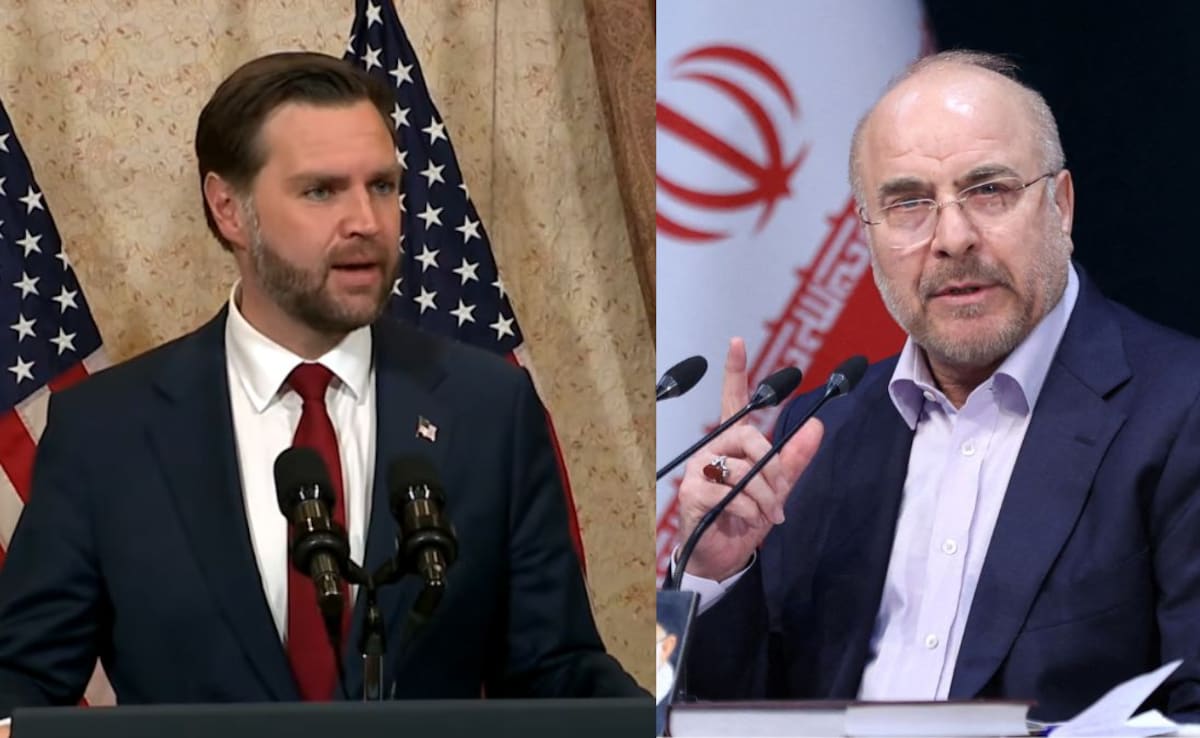
JD Vance wants you to believe Iran walked away from the table in Islamabad. He wants the headlines to reflect a defiant Tehran rejecting a "generous" American olive branch. This narrative is a comfortable lie designed for Sunday morning talk shows and domestic consumption. The reality is far more cynical: the Islamabad talks didn't fail because of Iranian intransigence. They failed because the American delegation arrived with a script that required failure to justify the next phase of escalation.
When Vance says, "Iran chose not to accept our terms," he is technically telling the truth while fundamentally lying about the context. In diplomacy, "terms" are often weaponized. If I offer to buy your house for a dollar and you refuse, did you "choose" to walk away from a deal, or did I simply make an offer intended to be rejected? The Islamabad framework was the geopolitical equivalent of that one-dollar offer. Also making news in this space: Strategic Erosion The Mechanics of US Hegemonic Decline via Persian Gulf Entrapment.
The Myth of the Rational Negotiator
The media loves the "failed talks" trope. It suggests a process of logical exchange that hit a snag. But modern statecraft, especially under the current administration's "maximum pressure" hangover, isn't about finding middle ground. It is about creating a paper trail of "effort" before pulling the trigger on sanctions or kinetic action.
I’ve spent years watching trade delegations and diplomatic missions burn millions of dollars in taxpayer money just to fly to a neutral city, eat expensive catering, and read pre-approved statements that both sides knew were dead on arrival. Islamabad was no different. The U.S. demand for "immediate and total cessation" of enrichment without a corresponding, legally binding lift of secondary sanctions isn't a negotiation. It's an ultimatum. More details into this topic are explored by NBC News.
The Leverage Illusion
Washington is currently obsessed with the idea that economic strangulation creates a "breaking point." This is the primary fallacy of the JD Vance worldview. History shows that ideological regimes don't break; they calcify. Look at the data from the last decade of Iranian sanctions. While the rial plummeted, the IRGC’s grip on the internal black market only tightened.
By demanding terms that would effectively require the Iranian leadership to commit political suicide at home, Vance ensured no deal could be struck. This wasn't a tactical error. It was the goal. If Iran accepts, the U.S. gets everything for nothing. If Iran refuses, Vance gets to go on TV and paint them as the aggressor to a public that doesn't understand the nuances of the Treaty on the Non-Proliferation of Nuclear Weapons (NPT).
Why the "Failure" is a Business Opportunity for Some
Follow the money, not the rhetoric. Every time a high-level talk in a place like Islamabad collapses, the risk premium on Brent Crude spikes. The defense sector sees a renewed justification for regional "deterrence" spending. We aren't just talking about missiles; we’re talking about the massive logistical apparatus required to maintain a footprint in the Middle East.
Failure is profitable. A successful deal would mean a Pivot to Asia that many in the defense establishment are terrified of because it requires a different kind of hardware and a different kind of thinking. Keeping the "Iran Problem" on a low boil through failed diplomacy is the safest bet for the status quo.
The Regional Players Aren't Fooled
While Vance spins this for an American audience, the Pakistanis, Saudis, and Emiratis are watching the theater with exhaustion. They know that a stable Middle East requires a security architecture that includes Iran, not one that treats it as a permanent pariah. The fact that these talks were held in Islamabad—a traditional bridge between the Sunni and Shia worlds—was a slap in the face to the hosts when it became clear the U.S. had no intention of moving an inch.
The "terms" Vance mentioned likely included clauses that ignored regional realities, such as Iran’s influence in Iraq and Yemen. Expecting a regional power to simply vanish from its own backyard because a Senator from Ohio says so is the height of American exceptionalism.
The Cost of the Paper Trail
The real danger of the Islamabad failure isn't that we didn't get a deal today. It's that we are burning the very concept of diplomacy. When you use the negotiation table as a prop for your domestic political brand, you ensure that the next time you actually need to talk—perhaps when a real crisis is minutes away—no one will show up.
Vance is playing a short game. He’s looking at the next election cycle. He wants to look "tough." But toughness without a viable path to peace is just expensive posturing. We are currently funding a global theater production where the ending is always a cliffhanger, and the audience is paying with their tax dollars and, eventually, their lives.
Stop asking why Iran didn't accept the terms. Start asking why the terms were written to be rejected. If you want to understand the "failure" in Islamabad, don't look at the Iranian delegation. Look at the man holding the press conference. He got exactly what he wanted: a reason to stop talking.
The next time you see a headline about "collapsed talks," don't mourn the missed opportunity. Recognize it for what it is: a successful execution of a strategy designed to keep the world dangerous and the defense budgets high. Vance didn't lose in Islamabad. He won the optics war he came to fight.