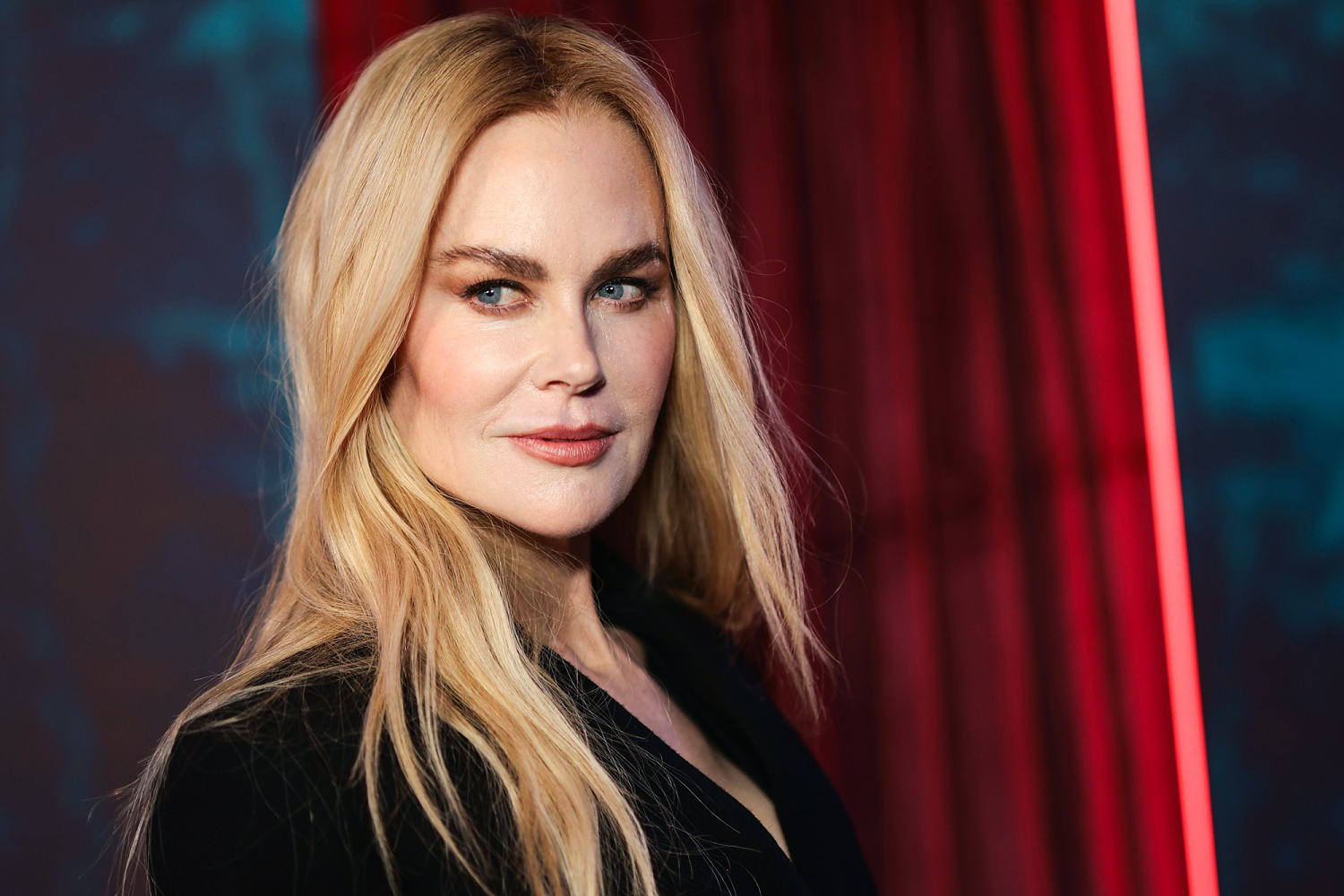
The emergence of high-profile advocacy for end-of-life care, most recently signaled by Nicole Kidman’s stated intent to pursue certification as a death doula, marks a critical pivot in the labor economics of the "death care" sector. This shift is not merely a celebrity trend but a systemic response to the failure of the medicalized dying model. Kidman’s transition from a high-net-worth individual experiencing bereavement to a potential practitioner highlights a growing professionalization of emotional labor. The "death doula" (or end-of-life doula) functions as a non-clinical bridge within a fragmented healthcare system, addressing the gap between acute medical intervention and the administrative finality of the funeral industry.
The Tri-Modal Framework of End of Life Doula Intervention
To understand the utility of this role, one must categorize its functions into three distinct operational pillars. The failure of standard palliative care often stems from an over-reliance on clinical metrics (pain management, oxygen saturation) while ignoring the logistical and existential debt accumulated by the dying and their families.
1. The Logistical Synthesis Pillar
Medical systems are designed for stabilization, not transition. When a patient moves from "treatment" to "end-of-life," a massive data-transfer gap occurs. The death doula acts as a project manager for this transition. This includes:
- Vigil Planning: Establishing a physical environment that optimizes comfort and minimizes sensory distress, often involving lighting, soundscapes, and visitor management.
- Legacy Curation: The systematic documentation of an individual's history, ranging from ethical wills to the organization of digital assets.
- Advocacy Coordination: Ensuring that the patient’s advance directives are not superseded by hospital protocols or dissenting family members.
2. The Emotional Labor Architecture
Kidman’s public discourse focuses on the "profound" nature of the transition, which in technical terms, refers to the mitigation of "total pain"—a concept defined by Dame Cicely Saunders. This encompasses physical, psychological, social, and spiritual distress. A doula’s value proposition lies in their ability to provide continuous presence, a service the nursing staff (constrained by patient-to-staff ratios) cannot offer.
3. The Bereavement Velocity Reduction
Post-mortem logistics usually force families into high-stakes decision-making within 24 to 48 hours of a death. This creates a high probability of "grief-spending" and administrative errors. The doula decelerates this process, providing a buffer that allows for home-based wakes or green burial preparations, which require significant lead-time and regulatory navigation.
The Economics of the Death Doula Certification
The path Kidman is pursuing involves a rigorous training regime that seeks to standardize what has historically been informal community support. Organizations such as the International End of Life Doula Association (INELDA) and the National End-of-Life Doula Alliance (NEDA) have created a certification economy.
The core curriculum of these programs focuses on the "Three-Phase Model":
- Summation and Planning: Conducted while the individual is still lucid; focuses on the "meaning-making" phase.
- The Vigil: The active dying process, which can last from several hours to several days.
- Reprocessing: Post-death sessions with the family to integrate the experience and prevent complicated grief.
This certification serves a dual purpose. For the practitioner, it provides a veneer of clinical legitimacy. For the healthcare system, it offers a way to outsource the "uncompensated care" time that doctors and nurses are increasingly unable to provide. The growth of this field is a direct reaction to the "institutionalization of death," where nearly 60% of individuals die in hospitals or long-term care facilities despite a stated preference for dying at home.
Structural Bottlenecks in the Doula Model
While the narrative surrounding Kidman's move is positive, a cold analysis reveals significant structural friction that prevents this model from scaling efficiently.
Regulatory Ambiguity
Death doulas occupy a "gray zone" in the medical hierarchy. They are non-medical, meaning they cannot administer medication, handle medical equipment, or pronounce death. This creates a potential liability loop. If a doula is present at a home death and the expected protocols (such as calling a hospice nurse) are delayed, the doula risks legal scrutiny. The lack of a state-level licensing board means that "certification" is essentially a private-sector credential with no statutory weight.
The Wealth-Health Gap in Transition Services
Currently, end-of-life doula services are almost exclusively a "private pay" model. Unlike hospice care, which is largely covered by Medicare in the United States, doula services are an out-of-pocket expense ranging from $50 to $200 per hour, or flat fees ranging from $1,000 to $5,000 for vigil support. Kidman’s involvement underscores a "concierge death" trend where high-quality, personalized transition support is a luxury good rather than a standard of care.
Inter-Professional Conflict
There is a documented tension between hospice nurses and death doulas. Nurses often view doulas as "unqualified enthusiasts" who may interfere with clinical pain management or misinterpret physiological signs of dying. Conversely, doulas view nurses as being too "task-oriented" and disconnected from the patient's emotional narrative.
The Mechanism of "Good Death" ROI
From a societal perspective, the integration of roles like the one Kidman is exploring offers a quantifiable Return on Investment (ROI) in the form of reduced healthcare costs and improved mental health outcomes for survivors.
- Reduction in "Panic ER Visits": Families with doula support are less likely to call emergency services during the active dying phase, a move that often leads to unwanted and expensive aggressive interventions.
- Lower Rates of Complicated Grief: By facilitating "legacy work" and open communication before death, doulas reduce the long-term psychological burden on survivors, which translates to fewer lost workdays and lower mental health service utilization in the following year.
- Resource Allocation Efficiency: Doulas handle the time-intensive tasks—such as sitting with a patient for six hours—allowing medical professionals to focus on high-level symptom management.
Strategic Path for Integration
The celebrity endorsement of the doula role acts as a market signal for the professionalization of the "Last Mile" of healthcare. For this to move from a niche lifestyle choice to a systemic standard, three developments must occur:
- Standardized Scope of Practice (SOP): A definitive boundary must be drawn between the emotional/spiritual support of the doula and the clinical/physical support of the hospice nurse to prevent scope creep and legal liability.
- Payer Integration: Insurance providers must begin to see doula services as a cost-saving measure that prevents expensive hospitalizations in the final weeks of life. This would require data-driven pilot programs showing a correlation between doula intervention and reduced use of high-intensity hospital services.
- Institutional Partnerships: Rather than operating as solo contractors, the next generation of doulas will likely be integrated into hospice agencies or large health systems, moving the role from an external luxury to an internal service line.
Kidman’s personal experience with loss—and her subsequent move toward the doula role—serves as a case study in the "active participant" model of death. It rejects the passivity of the modern patient, replacing it with a structured, managed, and curated exit strategy. The industry is currently in an early-adoption phase, characterized by high-profile pioneers and fragmented standards. The transition to a mature market will require the quantification of emotional labor and the formalization of its place within the broader healthcare ecosystem.
The immediate strategic priority for the death care industry is the creation of a "triage" system that identifies which patients require the intensive intervention of a doula versus those who are adequately served by traditional hospice. Without this data-driven sorting, the role will remain a prestige service rather than a structural solution to the crisis of modern dying.