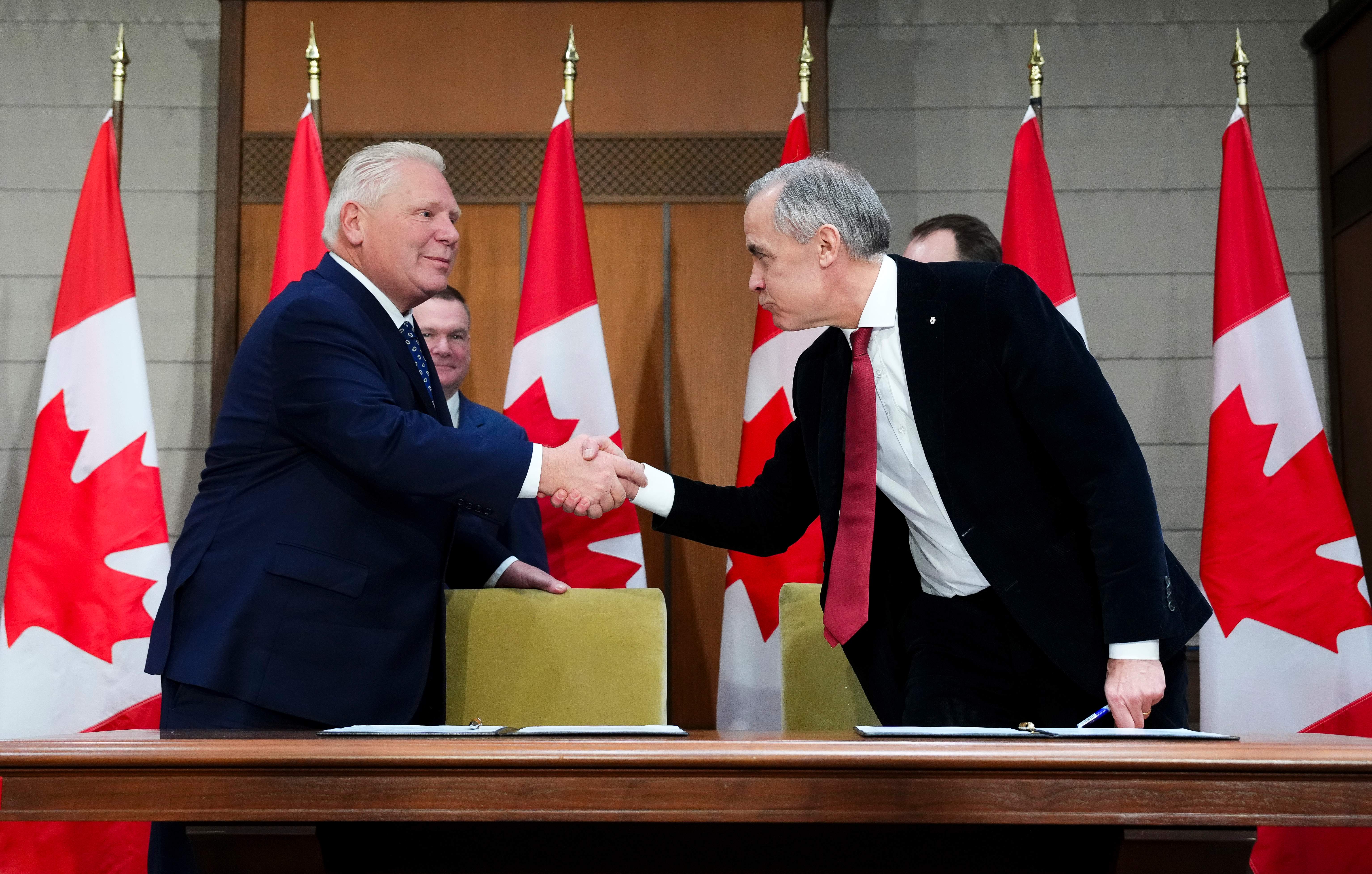
The stock market just pulled a classic move. After a week that felt like a slow-motion car crash, the Dow Jones, S&P 500, and Nasdaq all gapped higher on Monday morning. Why? Because the person in the White House sent a social media post.
It's a pattern we've seen before. President Trump signaled "great progress" in talks with a "new and more reasonable regime" in Iran. Just like that, the sea of red from last week started to evaporate. But if you’re an investor, you need to look past the green numbers on your screen today. There’s a much more complex story playing out between the trading floor and the Persian Gulf.
The Monday morning pop and the volatility trap
The numbers don't lie. The Dow jumped over 400 points (about 0.9%) shortly after the open. The S&P 500 and the tech-heavy Nasdaq followed suit, though the Nasdaq’s gains were a bit more modest at 0.4%. This follows the worst week for the markets since the actual military operations in Iran began.
You've got to wonder if this is a genuine recovery or just a "dead cat bounce." Traders are desperate for any sign that the war won't turn into a permanent energy crisis. When the President mentions a 10-day extension on a pause for strikes against Iranian infrastructure, the market breathes. It’s a collective sigh of relief that's worth billions of dollars.
But notice the shift in tone. For the first time in months, investors are starting to treat these "progress" reports with a healthy dose of skepticism. The S&P 500 actually erased most of its initial 0.9% gain before drifting back up. That tells you the market is tired. It’s weary of the "threaten-then-negotiate" cycle that has become the hallmark of this administration's foreign policy.
What the oil market is really telling us
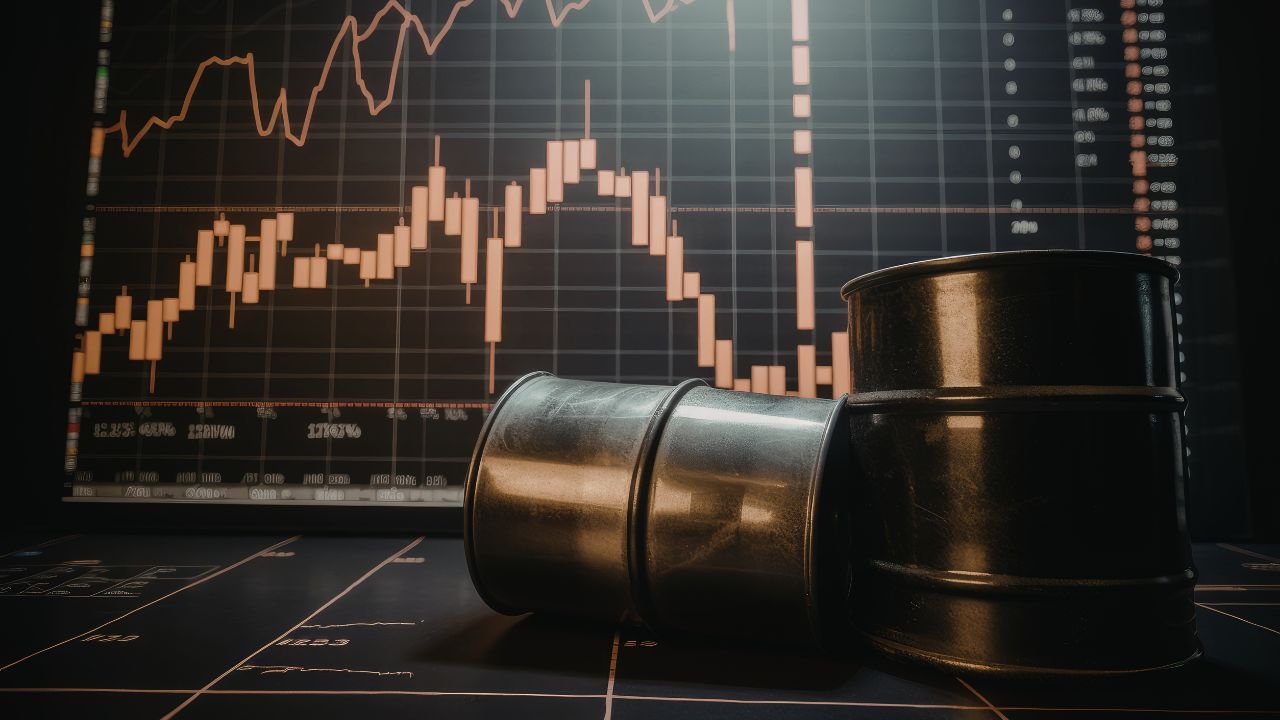
While stocks are looking for a reason to celebrate, the oil pits are telling a grittier story. Brent crude is sitting uncomfortably around $107 per barrel. That’s a massive jump from the $70 range we saw before this conflict kicked off.
Trump’s social media posts are powerful, but they can't physically open the Strait of Hormuz. Right now, Iran still has a metaphorical "toll booth" on the world's most important oil chokepoint. One-fifth of the world’s oil supply passes through that narrow stretch of water.
- The Bull Case: If these "serious talks" lead to the strait fully reopening, oil prices could crash back toward $90. That would be a massive win for the S&P 500, especially for retail and transport stocks.
- The Bear Case: If the talk is just talk, and the April 6 deadline for "obliterating" power plants remains, we’re looking at a potential spike to $150. BlackRock’s Larry Fink has already warned that $150 oil is the "recession trigger" for 2026.
Don't ignore the bond market signal
While everyone focuses on the Dow's 400-point jump, the real "smart money" is watching the 10-year Treasury yield. It’s currently hovering around 4.4%. Before the war, it was under 4%.
High yields are like gravity for stock prices. They make borrowing more expensive for the companies you own, and they make "safe" bonds look more attractive than "risky" stocks. Even if Trump secures a ceasefire today, the inflationary damage might already be done. The OECD is now projecting U.S. inflation to average 4.2% this year. Compare that to the 2.6% we saw in 2025.
Basically, the "peace dividend" everyone is hoping for might be smaller than expected because the cost of living has already shifted higher.
How to play this market without getting burned
Honestly, chasing the "Trump Tweet" rallies is a dangerous game. It’s a setup for profit-taking by institutional players who are more than happy to sell into the retail FOMO. If you want to actually protect your portfolio in 2026, you've got to be more tactical.
Focus on quality-focused strategies. In a world where the Nasdaq is teetering on correction territory—down 10% from its highs—you don't want to be over-leveraged in speculative tech. Look at the sectors that actually benefit from this mess or are insulated from it. Defense, aerospace, and "industrial resilience" are the big winners. Government spending in these areas isn't going away, regardless of what happens in the talks.
Stop looking for the "bottom." Instead, look for companies with the pricing power to survive $100+ oil. If a company can’t pass its energy costs on to its customers, its stock is going to get crushed when the next round of rhetoric turns sour.
The market opened higher today because it wants to believe in a deal. But remember, "hope" isn't a financial strategy. Watch the Strait of Hormuz, watch the 10-year yield, and keep your stop-losses tight.
If you're waiting for the "all-clear" signal, you'll probably miss it. But if you're buying into this rally, do it with the understanding that we are one social media post away from another 500-point drop. Diversify into energy and defense, stay liquid, and don't let a green Monday blind you to the reality of a wartime economy.