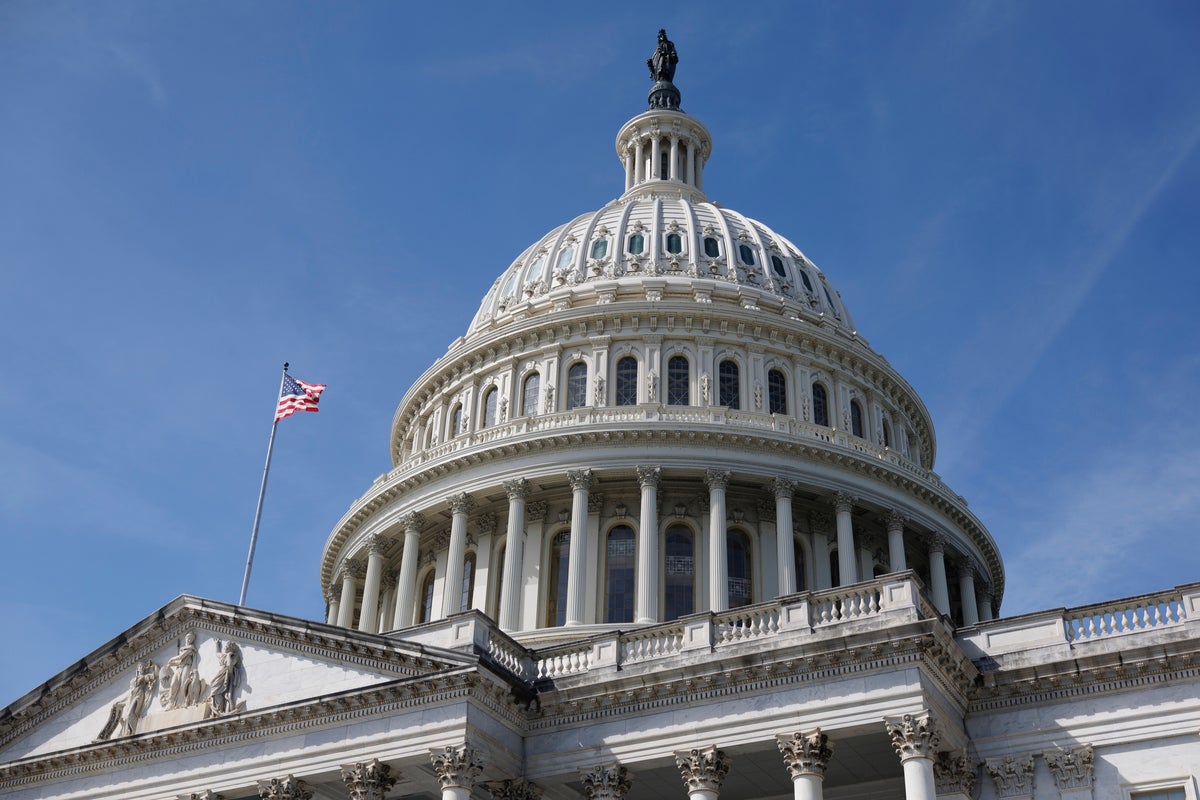
The House of Representatives is currently staring down a massive decision regarding the Department of Homeland Security (DHS) that affects everything from the line you stand in at the airport to the security of the borders. This isn't just another dry legislative debate. It’s a high-stakes gamble with the paychecks of TSA agents and the operational capacity of the Coast Guard. If the House doesn't move on this funding soon, the ripple effects will hit the average traveler long before they hit the halls of Congress.
Congress is looking at a massive spending package. Most people think of "government funding" as a single block of money, but it’s actually a fragmented mess of individual bills. Right now, the focus is on the TSA and the broader DHS. The central tension isn't whether we need a border or airport security—everyone agrees we do. The fight is over how that money is spent and what policy strings are attached to it.
What is actually happening on the House floor
The House is currently debating a multi-billion dollar package. The core of the issue centers on a few specific sticking points that have stalled progress for weeks. Republicans are pushing for stricter enforcement measures and specific language regarding border wall construction. Democrats, meanwhile, are focused on maintaining humanitarian standards and ensuring the TSA workforce receives the raises they were promised last year.
It’s a classic tug-of-war. You have one side saying "no money without policy changes" and the other saying "the policy changes are non-starters." While they argue, the clock is ticking. The DHS is unique because so much of its workforce is "essential." That means even if a shutdown happens, the people checking your bags and patrolling the coast still have to show up. They just don't get paid until the mess is sorted out.
Why the TSA funding matters to you
If you think a funding delay doesn't affect your vacation, you're wrong. When TSA agents work without a paycheck, morale tanking is the least of the worries. During previous funding gaps, we saw a massive spike in "call-outs." If 20% of the workforce at O'Hare or JFK calls in sick because they can't afford gas to get to a job that isn't paying them, the security lines don't just get longer. They become a nightmare.
Last year, the TSA finally secured a pay scale that brought them closer to other federal law enforcement agencies. This was a huge win for retention. If the House fumbles this current funding cycle, that progress could evaporate. Experienced officers leave for the private sector, and we're left with a revolving door of trainees. That makes the checkpoint slower and, frankly, less secure.
The border security deadlock
The biggest hurdle in the current DHS bill is the border. This isn't just about "building a wall." It's about technology, personnel, and the legal processing of migrants. The House version of the bill often includes provisions from H.R. 2, a strict border security act that the Senate has already signaled it won't touch.
This creates a legislative loop. The House passes a version they know the Senate will hate. The Senate sends back a version the House "Freedom Caucus" won't support. Meanwhile, the actual Department of Homeland Security is left trying to manage a record number of encounters with a budget that was designed for the realities of three years ago. It’s inefficient. It’s expensive. It’s a bad way to run a country.
The Coast Guard is caught in the middle
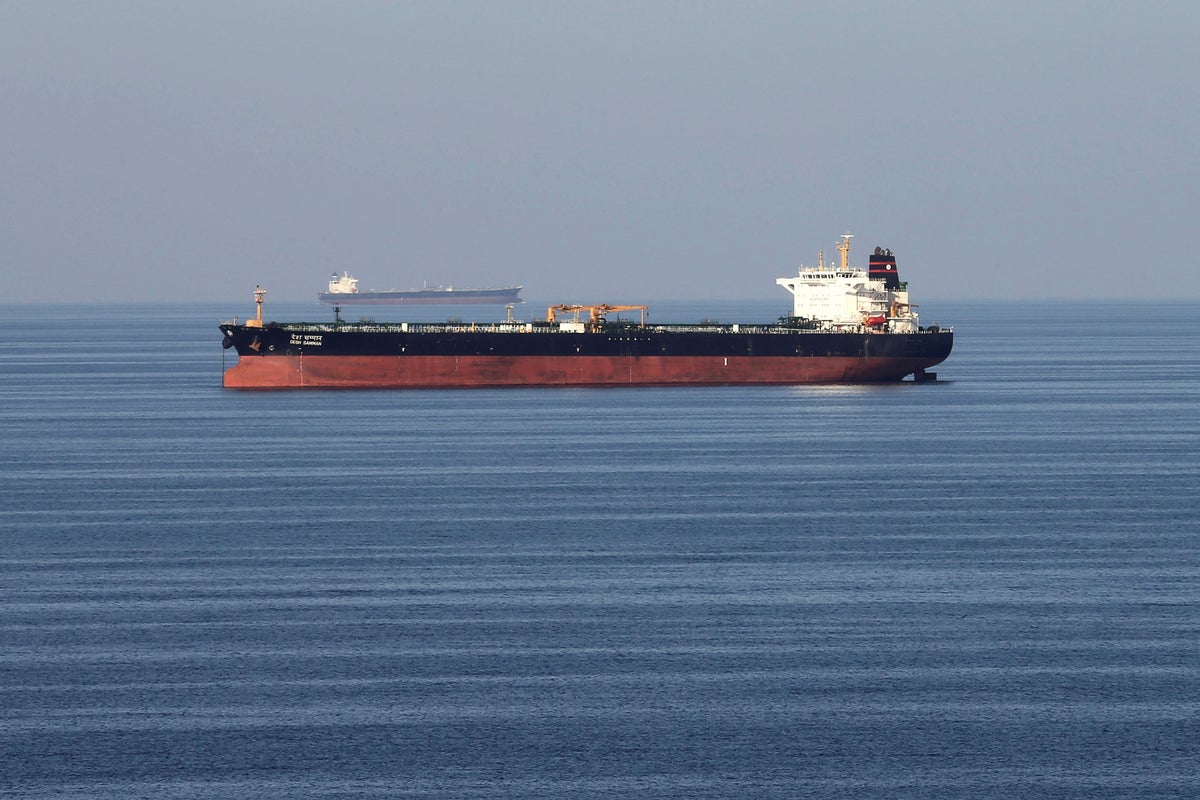
People forget the Coast Guard is part of DHS. They aren't just rescuing boaters; they’re stopping drug shipments and managing port security. Unlike the other military branches which sit under the Department of Defense, the Coast Guard’s funding is tied to this specific DHS fight.
When the House bickers over TSA pay or border wire, they are also potentially withholding the money used to maintain cutters and aircraft. We're talking about aging equipment that needs constant upkeep. A "continuing resolution"—which is basically a temporary patch to keep the lights on—doesn't allow for new contracts or major repairs. It just keeps the status quo, which is slowly degrading.
Reality check on the "Shutdown" threat
Let's be real. We've heard the "government is shutting down" cry so many times it’s started to sound like noise. But the DHS is different. You can't just "close" the border or "close" the airports. The 2019 shutdown lasted 35 days. By the end of it, air traffic controllers were resigning and TSA lines were wrapped around parking garages.
The House leadership is under intense pressure. On one hand, they have a vocal group of lawmakers who want to use the budget as a lever to force the Biden administration’s hand on immigration. On the other hand, they have moderate members who know that a shuttered DHS is a political disaster. The current strategy seems to be moving "minibus" bills—smaller groups of funding—to try and bridge the gap.
The cost of indecision
Every day the House spends "considering" this funding without passing it, the cost goes up. Contracts for new screening technology at airports get delayed. When those contracts are eventually signed, they’re often more expensive due to inflation and "stop-start" penalties.
There's also the human cost. Federal employees have mortgages and childcare expenses. Working one of the most stressful jobs in the country while watching C-SPAN to see if you can pay rent is a recipe for a workforce crisis.
What to watch for in the coming days
Keep an eye on the "rule" votes. In the House, before they vote on the actual bill, they have to vote on the "rules" for the debate. Lately, we've seen these fail, which is a sign of total internal collapse. If the rules pass, it means a deal is likely. If they don't, grab a book and get ready for a long wait at the airport.
You should also look for "riders." These are small pieces of legislation tacked onto the big spending bill. Often, a DHS bill will get held up because of a rider that has nothing to do with security—like something about land use or a specific environmental regulation. These are the "poison pills" that kill the whole package.
How to handle the uncertainty
If you have travel plans, don't panic, but be smart. Check the status of the DHS appropriations bill 48 hours before you fly. If the government has lapsed into a shutdown, arrive at the airport at least three hours early. Even if the TSA says they are "open," a smaller staff means a slower process.
Download the MyTSA app. It gives you crowdsourced wait times and can tell you if a specific terminal is struggling. Beyond that, the best thing you can do is stay informed about which specific parts of the DHS bill are being contested. Understanding that the delay is likely over a specific border policy rather than a general lack of funds helps you see through the political theater.
The House has a choice. They can provide the stable, long-term funding the TSA and Border Patrol need to function, or they can keep using the DHS budget as a bargaining chip. Based on the current climate, expect more theater before any real signatures happen. If you’re waiting for a smooth process, you might be waiting a while.
Check your flight status and the news daily. If the House doesn't reach a floor vote by Friday, the weekend's security logistics will start to tighten. Be ready for it.