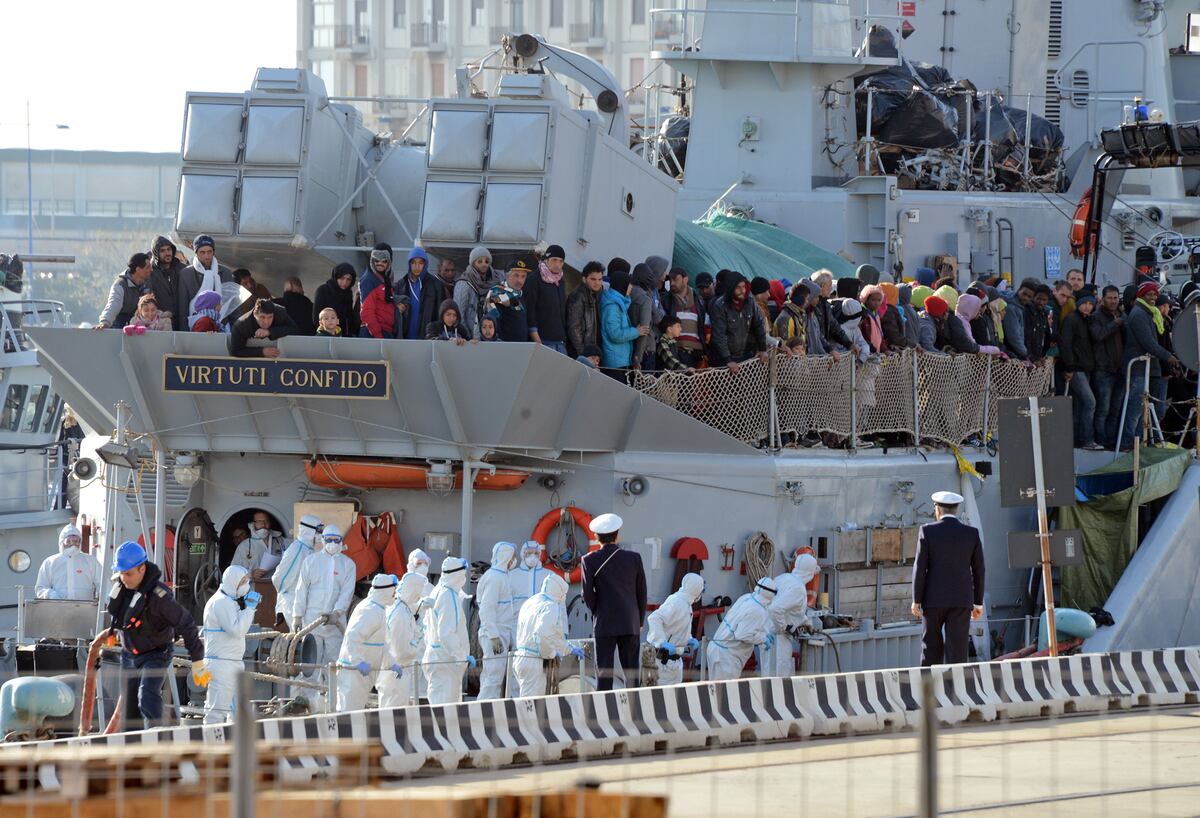
The Mediterranean does not care about borders. To a fisherman in Naqoura, the water is a single, vast breathing thing that shifts from turquoise to deep indigo as the sun climbs. He sees the same horizon as a gas engineer fifty miles out at sea. But beneath that water, invisible lines have been drawn, erased, and redrawn in blood and ink for decades. For the first time in thirty years, the people drawing those lines are sitting in the same room.
They aren't there to sign a peace treaty. They aren't there to shake hands or trade pleasantries. They are there because of a triangular patch of salt water roughly 330 square miles in size. It is a patch of ocean that might be sitting on top of enough natural gas to change the fate of two nations that have spent most of their modern history trying to break one another.
To understand why this matters, you have to look past the diplomats in their crisp suits and look at the lights of Beirut. Or, more accurately, the lack of them.
The Darkness of the Levant
Imagine a city of two million people where the hum of the refrigerator is a luxury. In Beirut, the "state" electricity often flickers on for only two hours a day. The rest of the time, the city runs on the jagged, coughing roar of thousands of private diesel generators. They belch black smoke into the Mediterranean air, a constant reminder of a collapsing economy.
For Lebanon, those offshore gas deposits aren't just a line item on a budget. They are a literal lifeline. The country is drowning in debt, its currency has evaporated into nothingness, and its people are desperate for a win. The gas represents a chance to stop the bleeding.
Across the maritime border, the perspective is different. Israel is already a gas exporter. For them, the stakes aren't about survival; they are about security and stabilization. If Lebanon can extract its own energy, it becomes a stakeholder in the stability of the region. A neighbor with a working power grid and a functioning economy is, theoretically, a neighbor less likely to succumb to the chaos that fuels proxy wars.
The Ghost at the Table
The talks are happening in a tent in Naqoura, a small town on the border. The participants are separated by more than just a table. They are separated by decades of trauma.
When the negotiators look at each other, they don't just see civil servants. They see the ghosts of 1982, 2006, and the countless skirmishes that have defined the "Blue Line"—the UN-demarcated boundary that serves as a fragile scar between the two countries.
Because Lebanon does not officially recognize Israel's right to exist, the mechanics of the conversation are absurdly delicate. They don't speak directly to each other. They speak through an American mediator and UN officials. It is a choreographed dance of avoidance. Yet, the very fact that they are in the same space, arguing over coordinates and nautical miles, is a seismic shift.
The core of the dispute lies in how you measure a coastline. Imagine trying to divide a pizza with a friend who insists the crust should be measured from the center, while you insist it should be measured from the edge. Now imagine that pizza is worth billions of dollars and if you don't reach an agreement, someone might start shooting.
Israel draws its line at a specific angle from the shore. Lebanon draws its further south. The overlap creates a "no-man's-water" that international oil giants like Total or Eni won't touch. No company is going to sink a billion-dollar drill into a spot that might be a war zone tomorrow.
The Price of a Molecule
The technology required to pull gas from the seabed is a marvel of human engineering. It involves deep-water rigs that act like floating cities, tethered to the floor of the ocean by umbilical lines miles long.
But the engineering is the easy part. The hard part is the trust.
Consider a hypothetical engineer named Sarah working on a rig in the Karish field. To her, the pressure gauges and the flow rates are the reality. She knows that if the political tension boils over, her workplace becomes a target. For her, the "invisible stakes" aren't abstract geopolitical theories. They are the physical reality of working on a multi-billion dollar piece of steel in reach of shore-to-ship missiles.
The gas under the Levant Basin is part of the same geological formation. Nature didn't check the maps before depositing the ancient organic matter that became these hydrocarbons. The reservoirs often straddle the very lines the humans are fighting over. If Israel pumps from one side, it might be pulling gas that Lebanon claims is theirs. This is why a deal isn't just "good business"—it is a preventative measure against a resource war.
A Cold Logic
There is a certain irony in the timing. The world is screaming for a transition to green energy, yet here are two nations on the brink, pinned to the hope of fossil fuels.
But when your hospitals are running on car batteries and your children are studying by candlelight, "energy transition" feels like a distant, wealthy concern. The immediate need is for base-load power. The immediate need is for the revenue to pay back international creditors so that the grocery stores can restock their shelves.
The negotiators know this. The Americans, acting as the bridge, know this. They are leveraging the one thing more powerful than ideological hatred: the need to eat.
It is a mercenary kind of peace. It isn't built on a sudden realization of shared humanity or a desire for friendship. It is built on the cold, hard logic of the market. Lebanon needs the money. Israel needs the quiet. The gas is the currency that might buy both.
The Ripple Effect
If a deal is reached, the map of the Eastern Mediterranean changes forever. It turns a volatile frontier into a commercial zone. It links the economies of the region in a way that makes conflict more expensive than cooperation.
But the path is littered with landmines. There are hardliners on both sides who view any concession as a betrayal. In Lebanon, the shadow of Hezbollah looms over every decision. In Israel, the political landscape is a revolving door of coalitions where a single compromise can topple a government.
They are arguing over the "Hof Line" and "Line 23" and "Line 29." These are just numbers on a chart to most people. But to the families in Southern Lebanon and Northern Israel, those numbers determine whether the next decade is defined by the sound of drilling or the sound of sirens.
Silence.
That is what is actually at stake. The silence of a border that has known too much noise.
As the sun sets over the Mediterranean, the water turns a bruised purple. The rigs on the horizon begin to glow, looking like fallen stars tethered to the earth. In the tent at Naqoura, the negotiators pack their bags. They haven't solved the century of grief that sits between them. They haven't forgiven the past.
But as they walk out, they are thinking about the same thing: the pressure in the pipes, the wealth in the rocks, and the strange, uncomfortable reality that their futures are tied to the same seafloor. They are anchored together in the deep, whether they like it or not.